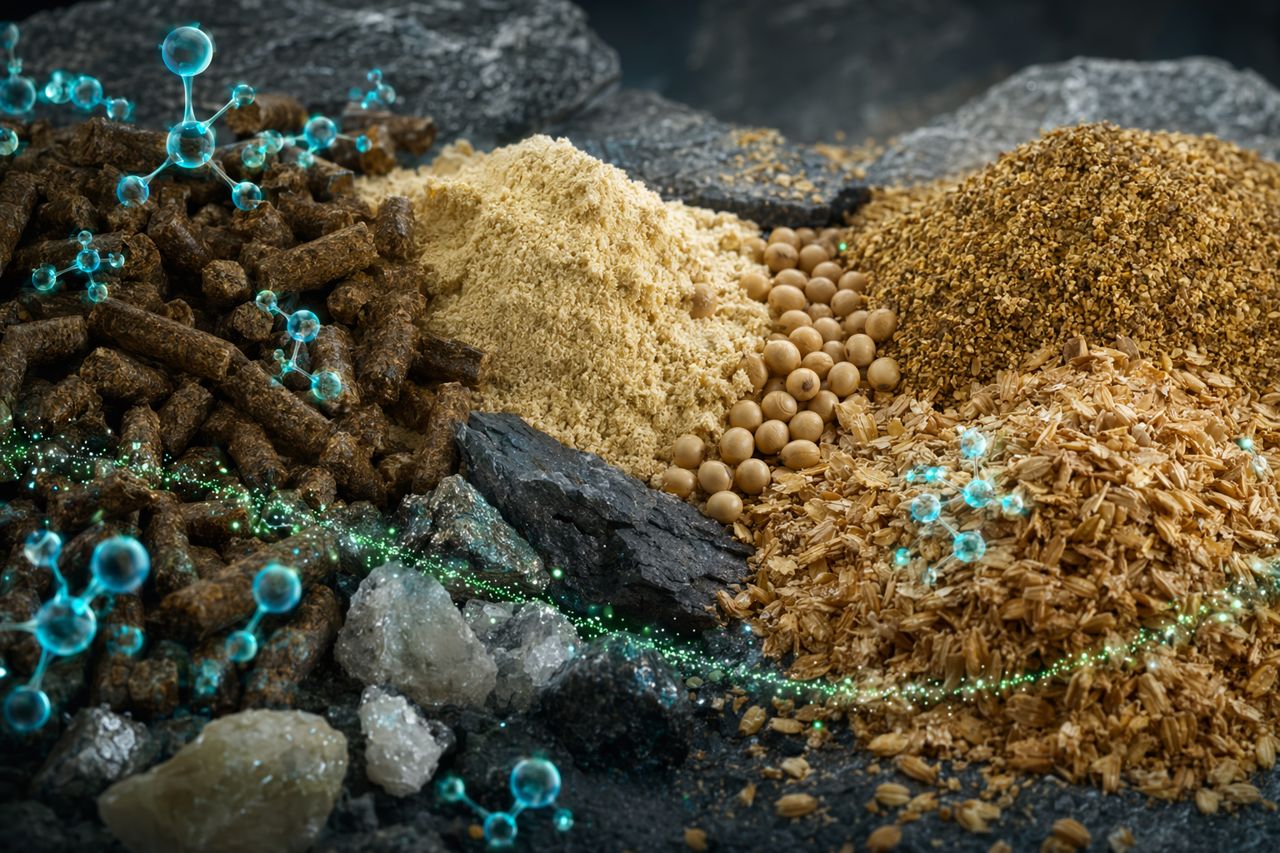
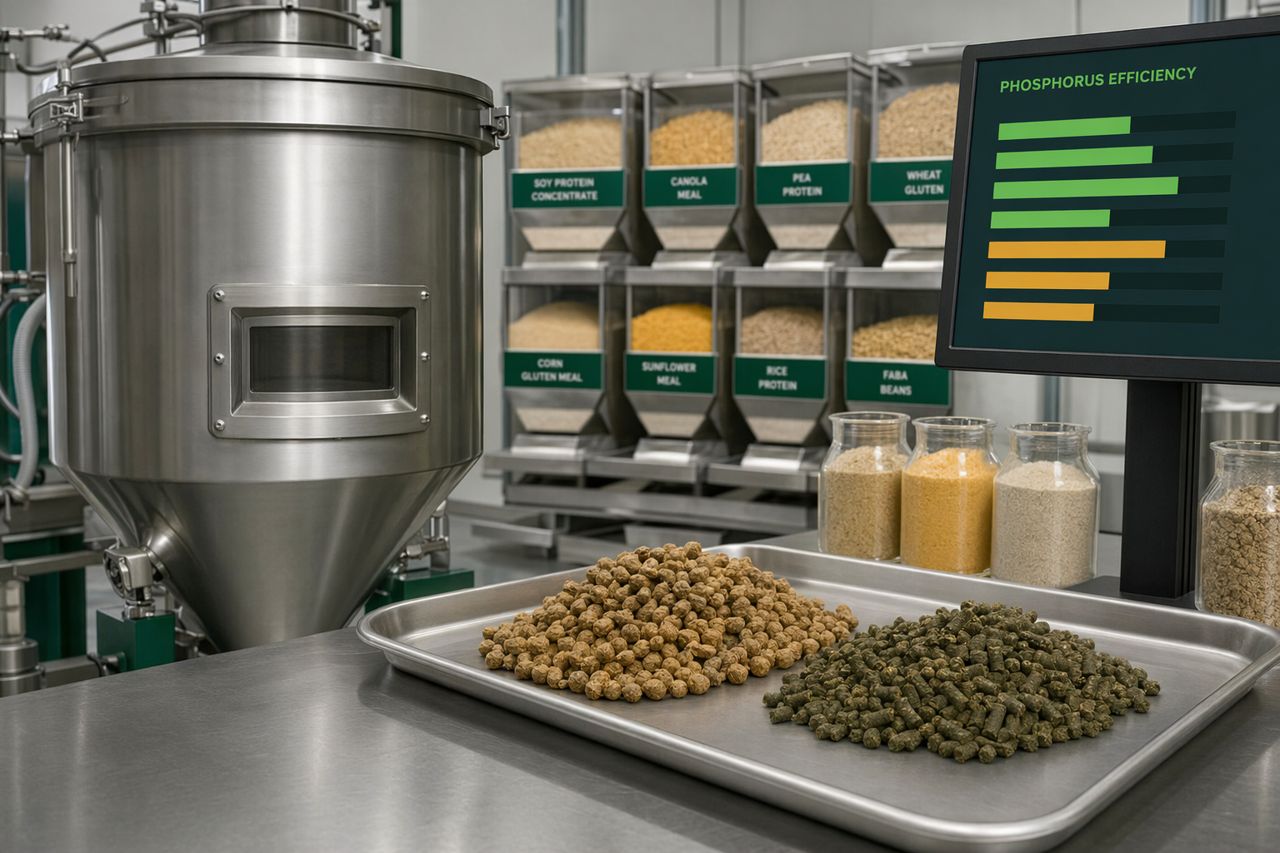
Aquaculture feeds are moving toward more soybean meal, rapeseed meal, cereal by-products, pulses, and other plant-origin ingredients. These raw materials improve sourcing flexibility, but they also introduce phytate: a storage form of phosphorus that fish and shrimp cannot fully access without enzymatic support.
We supply phytase in bulk to aquafeed mills, premix makers and distributors serving fish and shrimp producers. As soybean meal, rapeseed meal and other plant proteins take more of the formula, more of its phosphorus sits in phytate. Phytase turns it into phosphorus the fish or shrimp can use, so less mineral phosphate goes in and less phosphorus ends up in the water.
Wholesale and bulk supply for aquafeed manufacturers and resellers. Request a quote with the species, the feed type, the quantity and the delivery country. Prices and lead times are quoted per order.
Why phytase matters in aquafeed
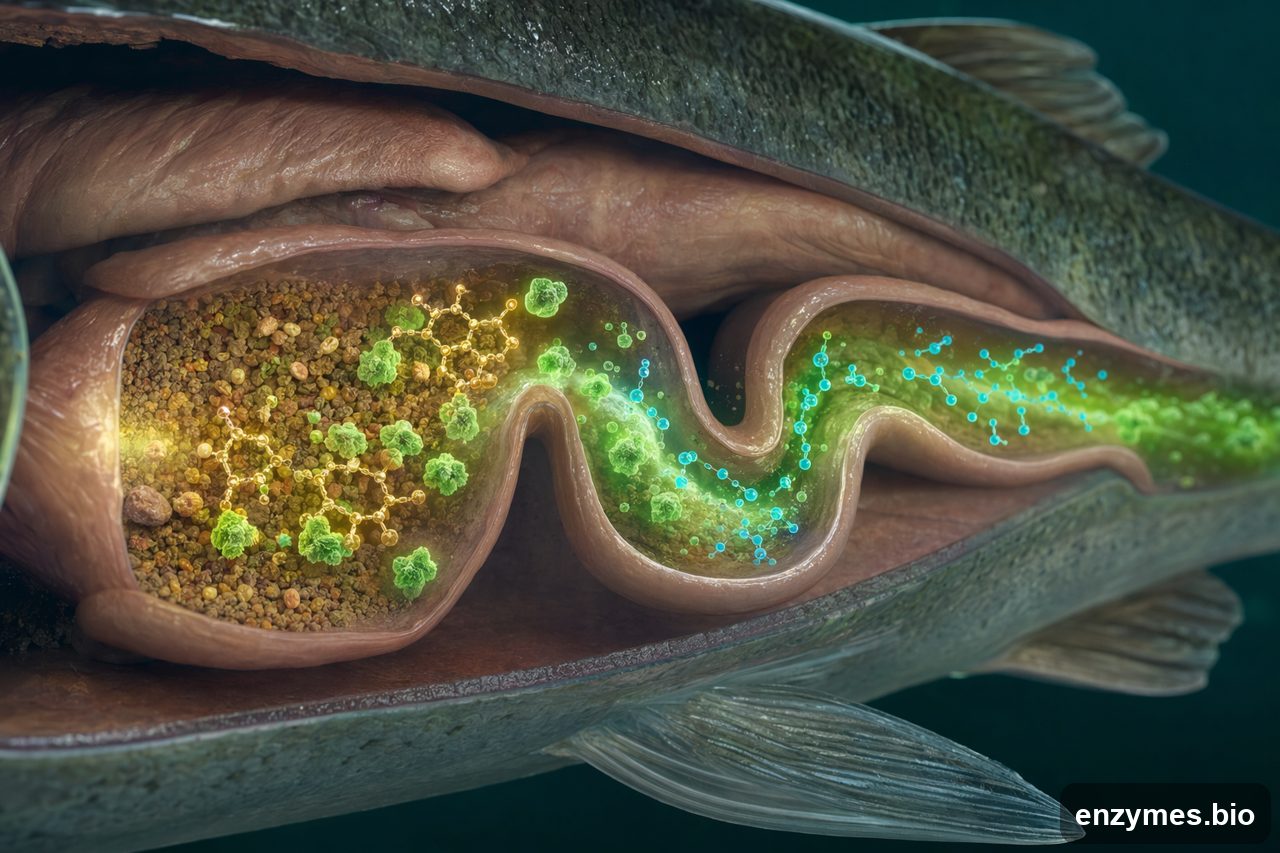
Plant ingredients can carry a meaningful phosphorus load, but much of it is locked in phytate. Without sufficient phytase activity in the digestive tract, that phosphorus may pass through the animal and contribute to mineral discharge rather than growth.
Phytase helps hydrolyze phytate during digestion, releasing phosphorus and reducing the anti-nutritional pressure associated with phytate complexes. For formulators, this can support:
- Improved availability of phytate-bound phosphorus
- Reduced dependence on added inorganic phosphate sources
- Better use of soybean meal, rapeseed meal, wheat middlings, rice bran, corn coproducts, and similar ingredients
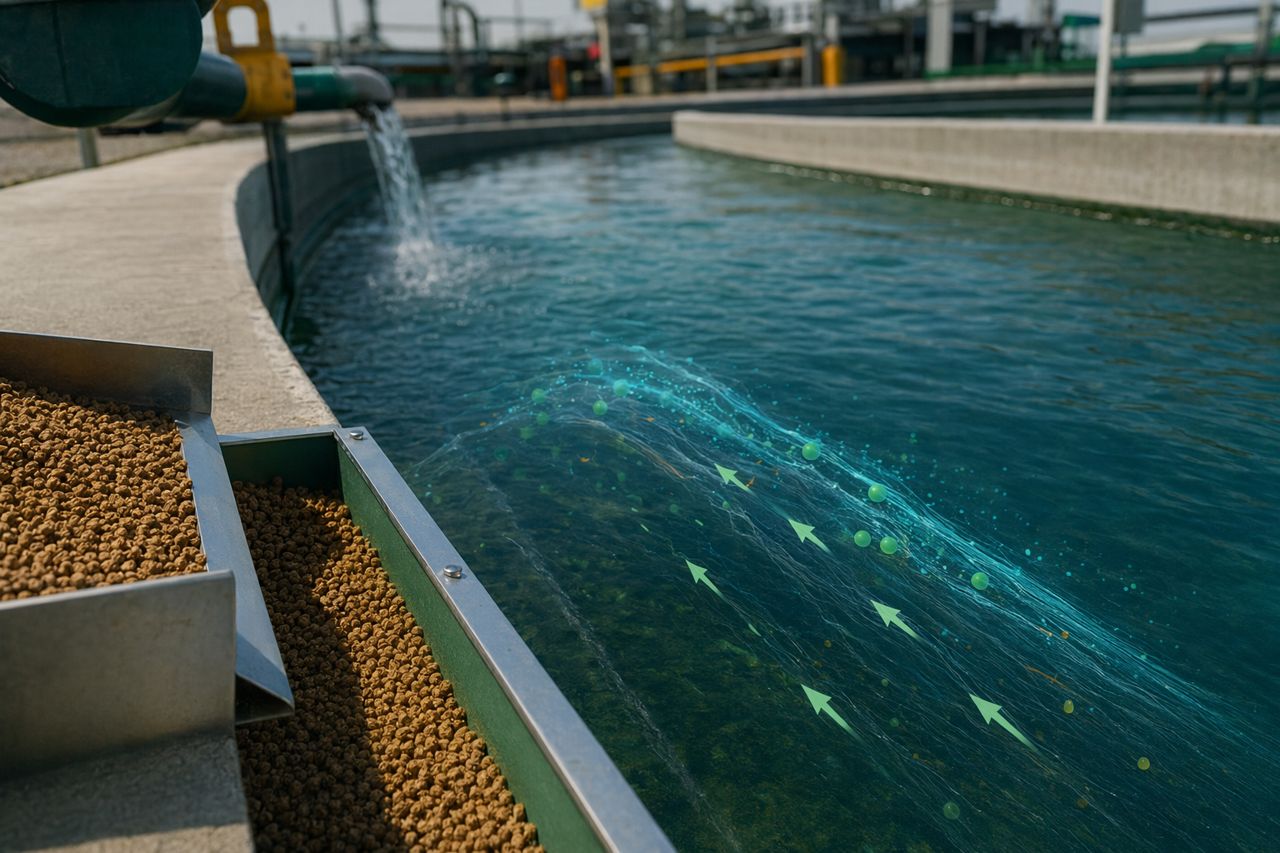
- Lower phosphorus output into culture water and surrounding systems
- More disciplined least-cost formulation when raw material prices move
Built for plant-forward aquaculture diets
Phytase is especially relevant where aquafeed programs are replacing fishmeal or reducing inorganic phosphate inclusion. The commercial value is not only nutrient release; it is the ability to formulate with greater confidence around variable plant ingredients.
Common application areas
- Tilapia and carp feeds using soybean meal, rapeseed meal, rice bran, wheat by-products, and other plant meals
- Catfish feeds with high cereal and oilseed meal inclusion
- Marine fish diets where partial fishmeal replacement increases phytate load
- Shrimp and crustacean feeds where mineral nutrition, digestibility, and water quality are tightly managed
- Nursery and grow-out feeds where phosphorus efficiency affects both diet cost and environmental performance
Species, life stage, gut conditions, formulation structure, and processing method all influence the commercial response. Phytase Enzyme Solutions supports phytase selection and matrix planning around the actual feed program, not a generic claim.
Formulation value: where the economics appear
A phytase program should be evaluated through the full diet model. The measurable value typically comes from three linked areas.
1. Releasing phosphorus already present in the formula
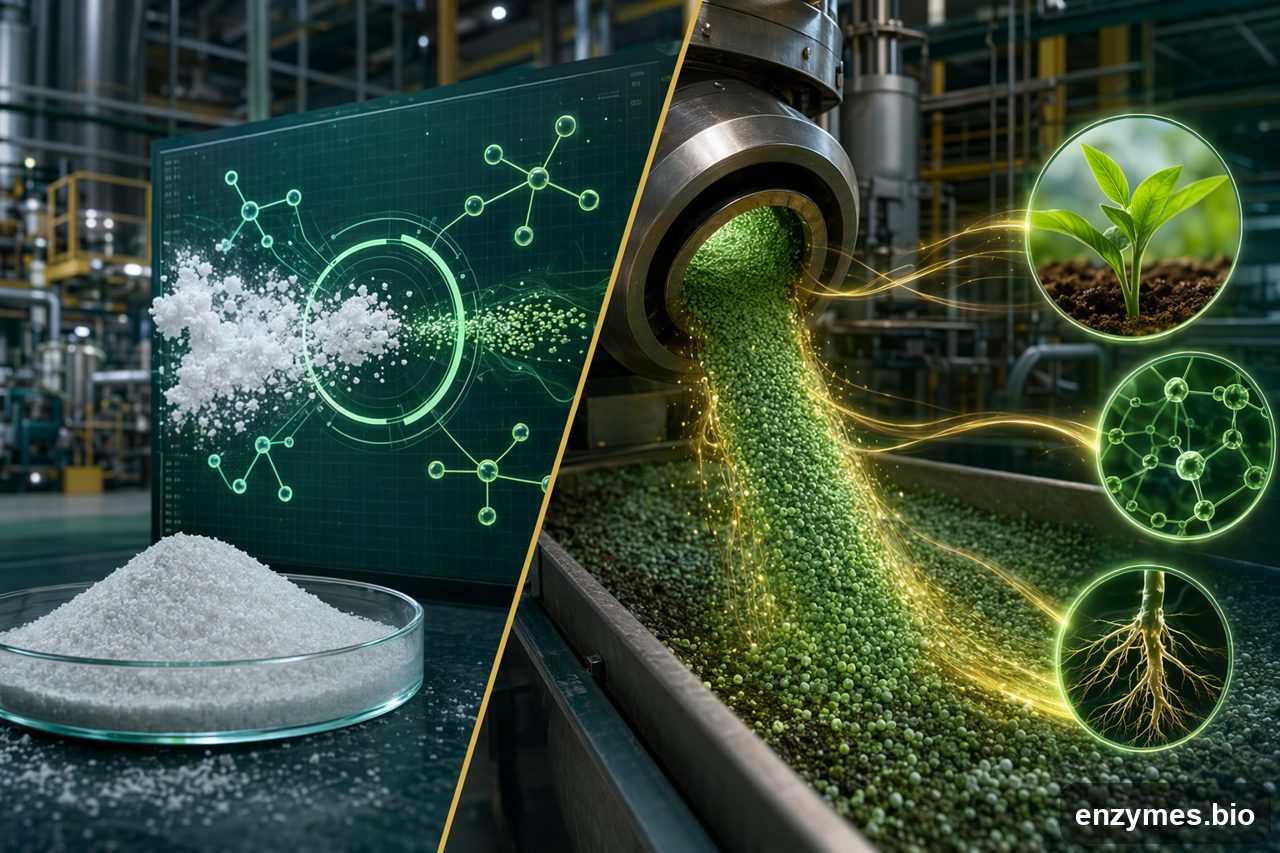
When diets contain soybean meal, rapeseed meal, cereal brans, or other plant ingredients, a portion of total phosphorus is present as phytate phosphorus. Phytase helps convert part of that unavailable fraction into a usable nutrient contribution.
2. Reducing added inorganic phosphate
By improving phytate phosphorus utilization, nutritionists may be able to reduce supplemental phosphate while maintaining mineral nutrition targets. This can be commercially important where phosphate sources are expensive, volatile, or difficult to source consistently.
3. Supporting lower phosphorus discharge
More efficient phosphorus utilization can reduce undigested phosphorus leaving the animal. For aquaculture operators, this supports cleaner nutrient management and can help align feed design with sustainability or certification goals.
Technical considerations for aquafeed production
Aquafeed processing can be demanding. Pelleting, extrusion, drying, coating, and storage conditions should be considered before selecting the product form and point of addition.
Processing fit
Phytase can be discussed for different feed manufacturing routes, including:
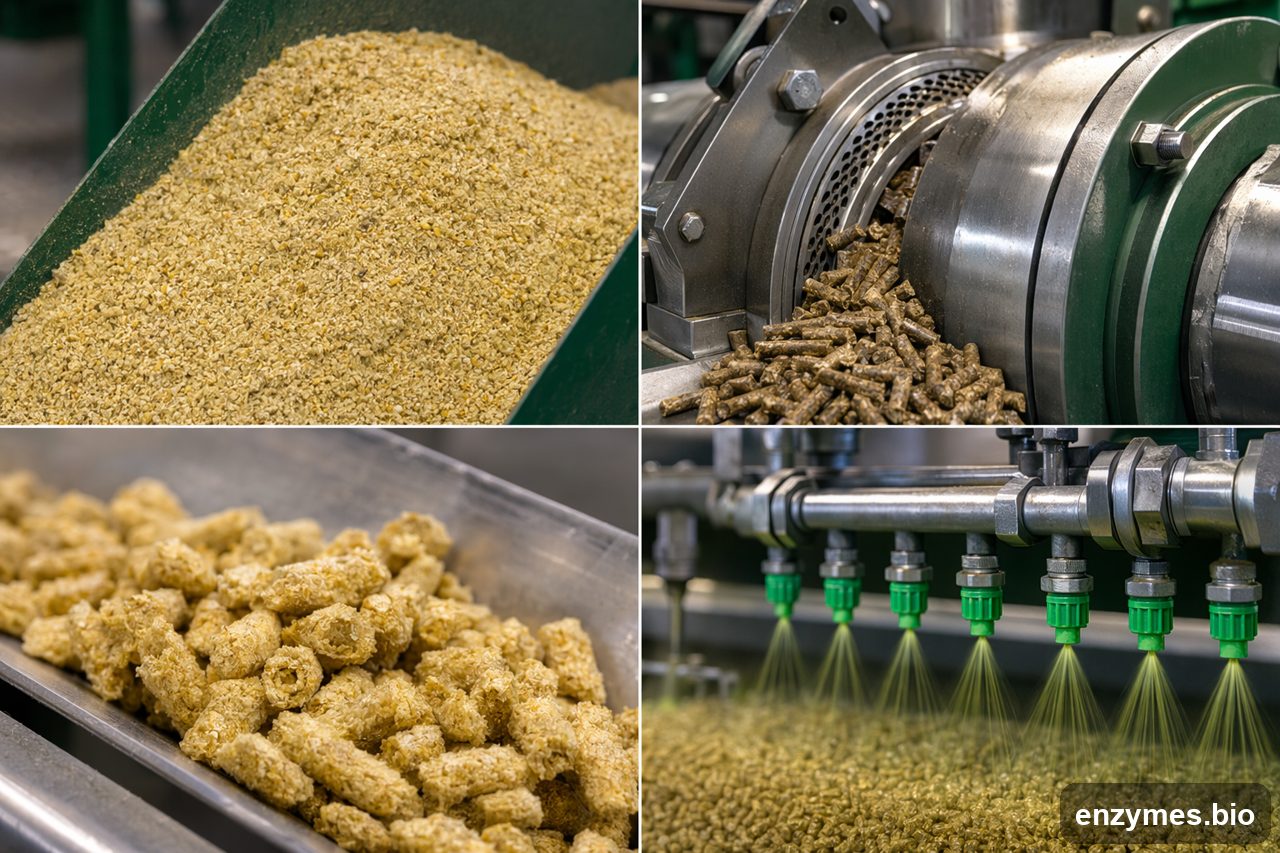
- Mash or cold-processed specialty feeds
- Pelleted aquafeed
- Extruded floating or sinking feed
- Liquid post-application where process exposure must be minimized
- Dry premix addition where handling and blend uniformity are priorities
The right format depends on target species, processing temperature profile, moisture exposure, residence time, coating strategy, and plant layout.
Matrix planning
Phytase should be entered into the formulation system with a practical nutrient matrix that reflects the intended diet family and validation data. Matrix values may include available phosphorus contribution and related mineral considerations, but they should be reviewed against ingredient quality, safety margins, and performance objectives.
Compatibility and handling
For procurement and QA teams, key review points include:
- Physical form and suitability for the feed mill
- Dust control and handling characteristics
- Blend uniformity in premixes or complete feeds
- Stability expectations through processing and storage
- Packaging, labeling, documentation, and batch traceability
- Compatibility with other feed additives and coating systems
Procurement priorities
Phytase is not just a nutrition tool; it is a supply decision. Aquafeed manufacturers need an enzyme partner that can support consistent sourcing, documentation, and technical communication across procurement, formulation, QA, and production.
Quotes cover product form, packaging, forecast planning and shipment timing for feed-mill use. For the papers your QA team needs, we tell you which documents are available for that grade.
Sustainability impact
Improving phytate phosphorus utilization can support two sustainability outcomes at the same time: better use of plant raw materials and lower phosphorus release into water systems. For aquaculture brands under pressure to reduce nutrient loading, phytase can be a practical part of a broader responsible feed strategy.
Request pricing for aquaculture phytase
For an aquafeed quote, tell us:
- the species and life stage (fish or shrimp)
- the processing route: extruded, pelleted, or enzyme sprayed on after drying
- the main plant ingredients in the formula
- the quantity per order or per month, and the delivery country
Prices, quantities and lead times are quoted per order. Request a quote.