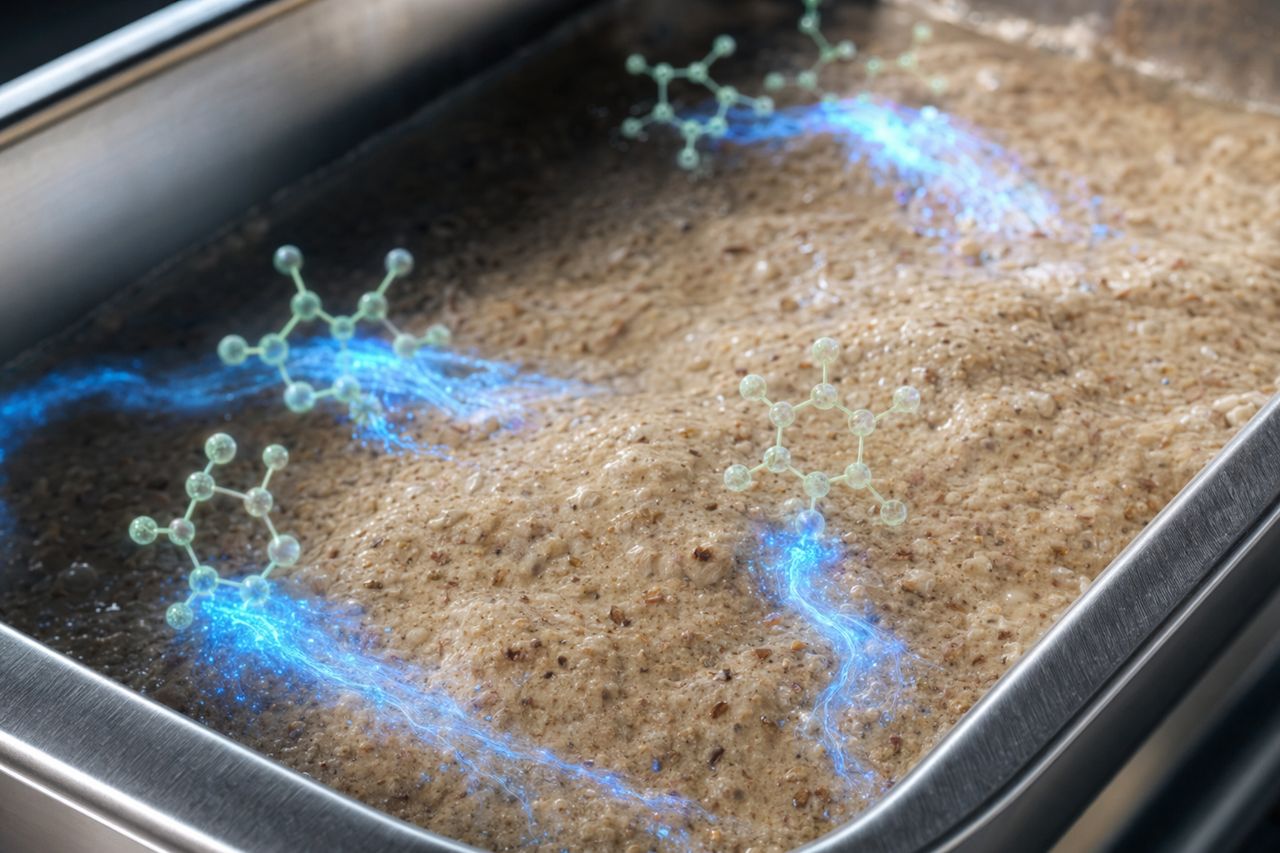
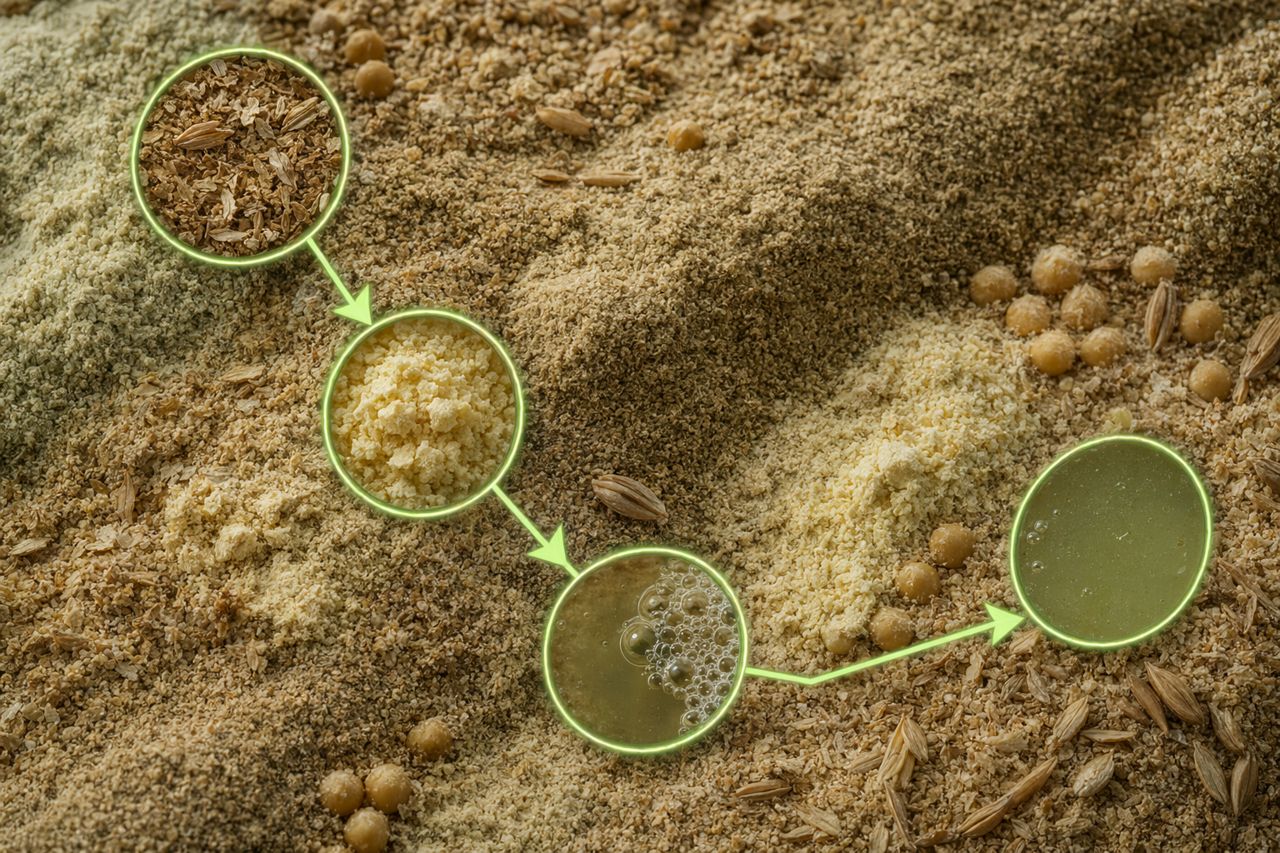
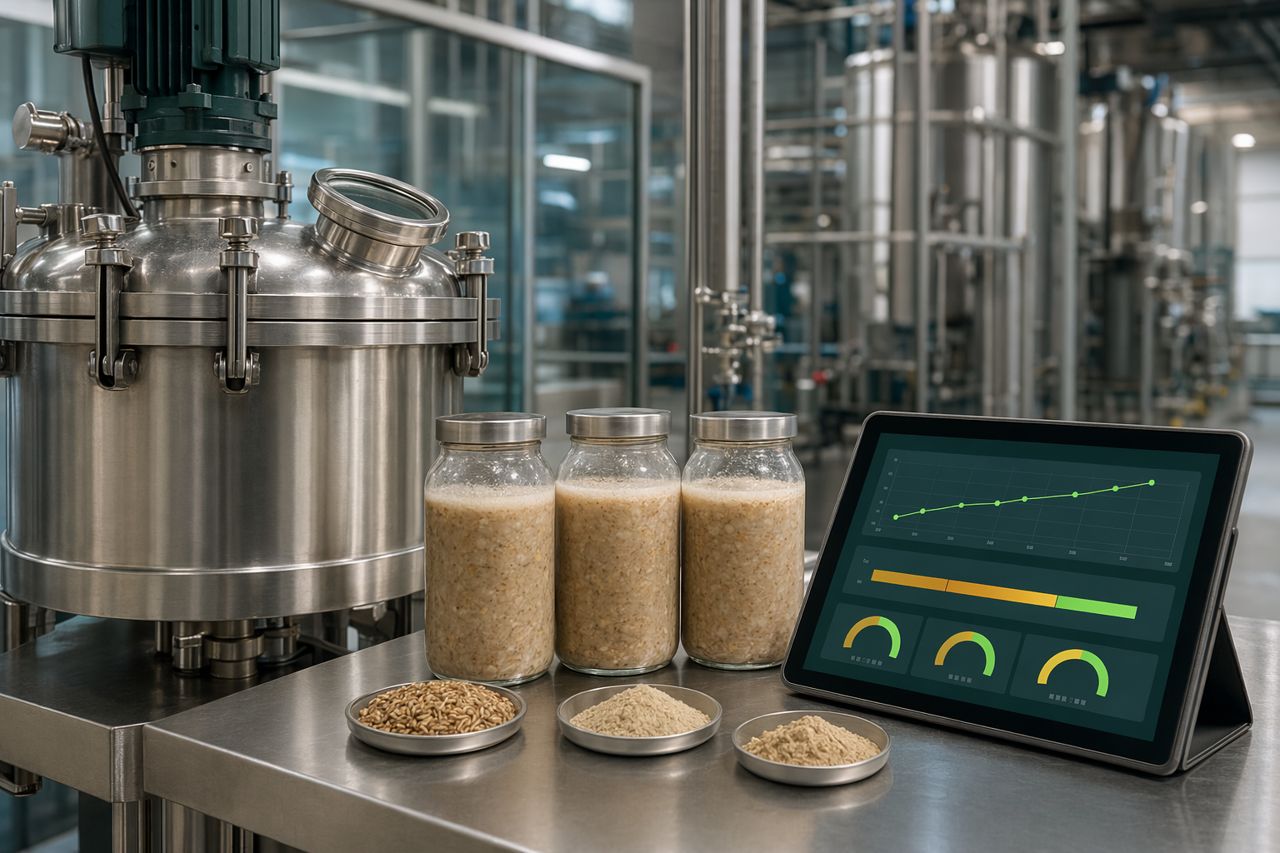
Phytase, properly known as Phytase (myo-inositol hexakisphosphate phosphohydrolase), can be used in controlled fermentation systems to reduce phytate in cereal, seed, and pulse-based matrices. For food ingredient producers, sourdough manufacturers, grain processors, and nutrition-focused formulators, the application is practical: unlock bound minerals, improve nutritional positioning, and support more efficient use of raw materials.
We supply phytase in bulk to sourdough and bakery ingredient makers, grain and pulse processors and the distributors that serve them. Results depend on substrate, hydration, pH, residence time, the heat step and the finished ingredient, so every quote starts from your process.
Wholesale and bulk supply for fermented grain and sourdough producers. Request a quote with the substrate, the quantity and the delivery country. Prices and lead times are quoted per order.
Why phytate matters in fermented grain systems
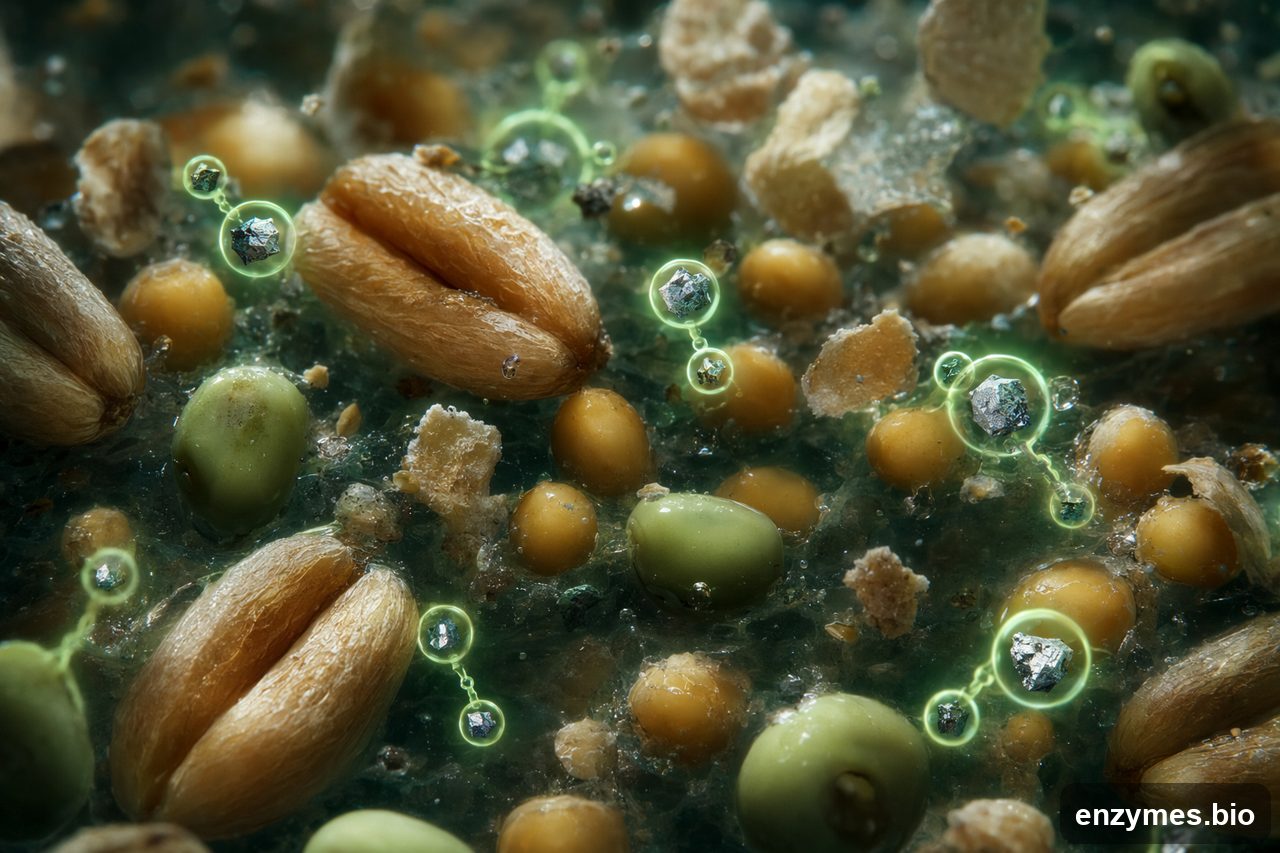
Phytate is naturally present in wheat, rye, corn, oats, barley, rice, legumes, oilseeds, and many wholegrain fractions. It binds minerals such as calcium, iron, zinc, and magnesium, reducing their nutritional availability in finished foods and ingredients.
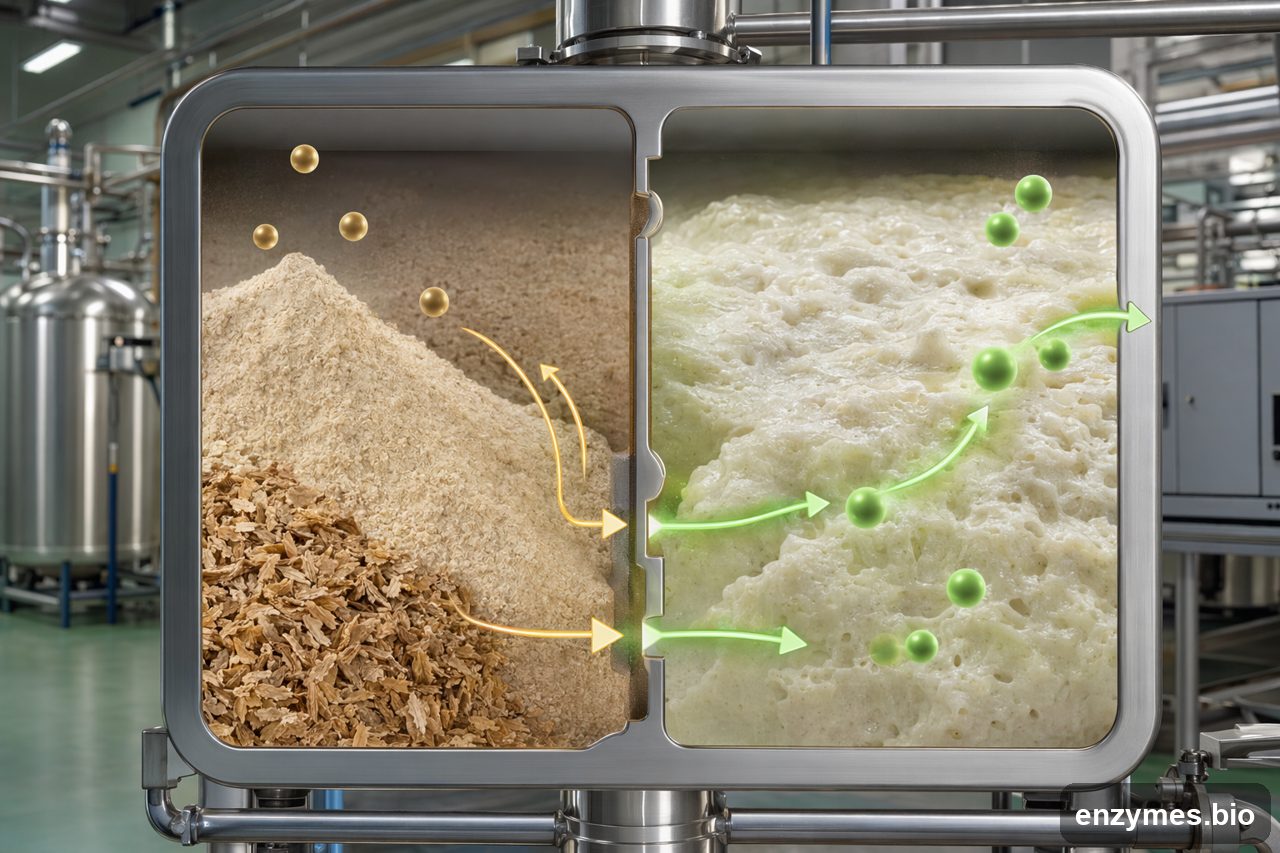
Controlled phytase use helps convert phytate into lower inositol phosphates and inorganic phosphate during fermentation or pre-treatment. In the right process window, this can support:
- Lower residual phytate in fermented cereal or pulse matrices
- Improved mineral availability positioning
- More consistent fermentation outcomes across variable raw materials
- Better use of wholegrain, bran, germ, and legume fractions
- Cleaner nutrition narratives without relying only on fortification
Where it fits
Phytase can be evaluated in several controlled food and ingredient workflows:
Sourdough and long-fermented dough systems
In sourdough applications, phytase may be introduced during preferment, sponge, levain, or other hydrated grain stages where pH and time support phytate hydrolysis. This is especially relevant for wholegrain breads, rye systems, high-bran formulas, and mineral-positioned bakery products.
Fermented cereal bases
For oat, rice, corn, wheat, barley, or mixed cereal bases, phytase can be applied before thermal stabilization to reduce phytate load while the matrix remains enzyme-accessible.
Pulse and grain ingredient pre-treatment
In chickpea, pea, lentil, faba bean, and blended grain-pulse systems, phytase may be used as part of a pre-fermentation or controlled hydration step before drying, extrusion, baking, or further blending.
Wholegrain and bran-rich ingredients
Bran and germ fractions often carry higher phytate levels. A dedicated phytase step can improve the nutritional profile of these fractions before they are used in bakery, cereal, snack, or nutritional ingredient systems.
Formulation value for technical and commercial teams
For product development and procurement teams, phytase is not simply an enzyme addition. It is a formulation lever. The commercial case typically comes from one or more of the following outcomes:
- Increased value of wholegrain and pulse ingredients
- Improved mineral availability claims where permitted and substantiated
- Reduced dependence on excessive mineral fortification in selected formulas
- More robust use of variable grain streams
- Support for plant-forward and sustainability-oriented product platforms
- Differentiation in bakery, cereal, and fermented ingredient portfolios
Process variables that matter
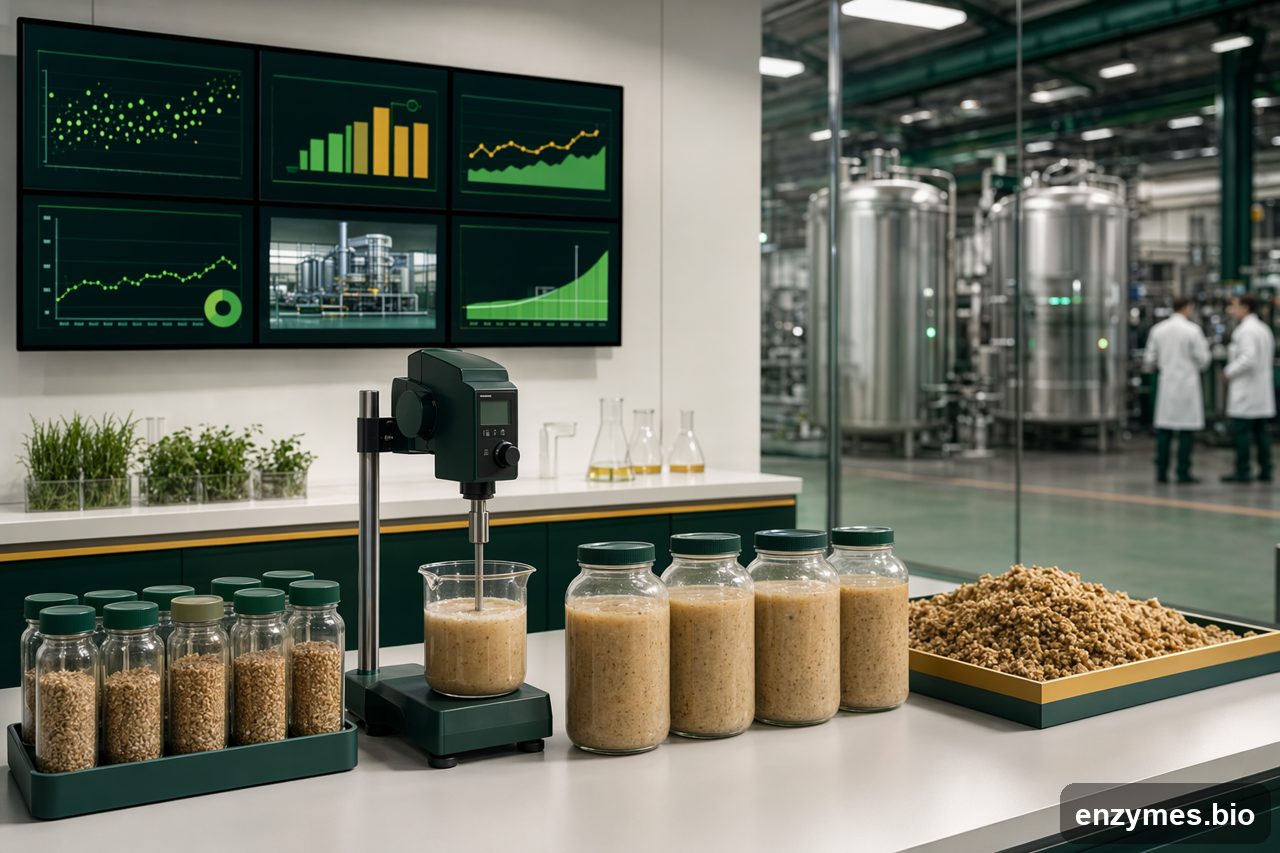
Phytase performance is process-dependent. Phytase Enzyme Solutions helps technical buyers evaluate the application against the actual manufacturing environment rather than assuming performance from a brochure.
Key variables include:
- Raw material type and phytate distribution
- Particle size and matrix accessibility
- Hydration and mixing intensity
- pH profile during fermentation
- Fermentation time and temperature
- Salt, acid, preservative, and ingredient interactions
- Thermal kill step or bake profile
- Target residual phytate level or mineral availability outcome
Typical implementation approach
A practical implementation program usually follows four stages:
-
Matrix screening
Confirm whether the cereal, pulse, or bran fraction contains enough phytate-bound mineral value to justify enzyme treatment. -
Process-window mapping
Identify the hydration, pH, time, and temperature range where phytase can act before inactivation. -
Pilot validation
Run side-by-side fermented batches to compare residual phytate, mineral release indicators, dough or slurry behavior, sensory impact, and downstream processing stability. -
Scale-up economics
Convert the technical result into ingredient value, process cost, formulation savings, claim potential, or portfolio differentiation.
Compatibility considerations
Phytase can be compatible with many fermented grain systems, but the enzyme should be reviewed against the full formulation. Acidification rate, competing enzymes, salt level, heat treatment, and raw material variability can change the result.
For bakery and sourdough teams, sensory control is also important. The target is phytate reduction without creating unwanted changes in flavor, dough handling, crumb structure, or shelf-life performance.
Sustainability and resource efficiency
Reducing phytate is not only a nutrition tool. It can help manufacturers make better use of mineral-rich plant materials that are often underutilized or discounted because of anti-nutritional factors. When validated in the right process, phytase supports more complete utilization of grains, pulses, bran streams, and whole-food ingredients.
That makes the application relevant to food manufacturers building products around plant-based nutrition, wholegrain enrichment, upcycled grain fractions, and lower-waste ingredient systems.
What Phytase Enzyme Solutions can help you evaluate
Phytase Enzyme Solutions works with B2B buyers and technical teams to align phytase selection with real processing conditions. Useful starting information includes:
- Target ingredient or finished product
- Grain, pulse, or seed matrix
- Fermentation format and residence time
- Process pH and temperature range
- Heating, baking, drying, or extrusion step
- Desired nutritional or formulation outcome
- Regulatory market and claim expectations
- Annual volume and supply format requirements
Request pricing or technical fit guidance
For fermented grain, sourdough, pulse or bran systems, send:
- the substrate and how it is fermented (sourdough, cereal base, pulse pre-treatment)
- the fermentation time and temperature, and where the heat step comes
- the finished ingredient and where you sell it
- the quantity per order or per month, and the delivery country
Prices, quantities and lead times are quoted per order. Request a quote.