Plant-containing pet foods can carry a meaningful share of total phosphorus in phytate form. For dogs and cats, that phosphorus is not used as efficiently as formulated inorganic mineral sources, and phytate can also interact with calcium, zinc, iron, proteins, and other nutrients in the matrix.
We supply phytase in bulk to pet food and treat manufacturers, co-packers and ingredient distributors. In kibble, biscuits and treats made with cereals, pulses or oilseed meals, phytase releases phosphorus held in phytate and lets you trim mineral over-formulation, while the formula stays under your control.
Wholesale and bulk supply for pet food manufacturers and resellers. Request a quote with the product type (kibble, treats or biscuits), the quantity and the delivery country. Prices and lead times are quoted per order.
Why phytase matters in pet food systems
Pet food has moved toward diverse ingredient decks: soybean meal, pea protein, pulses, rice fractions, wheat, corn, oat, sorghum, and specialty plant inclusions. These ingredients can add nutritional value, but they also bring phytate.
For technical teams, the issue is not simply total phosphorus on a label. The key question is how much phosphorus is nutritionally accessible in the finished product, and how phytate affects mineral balance across the recipe.
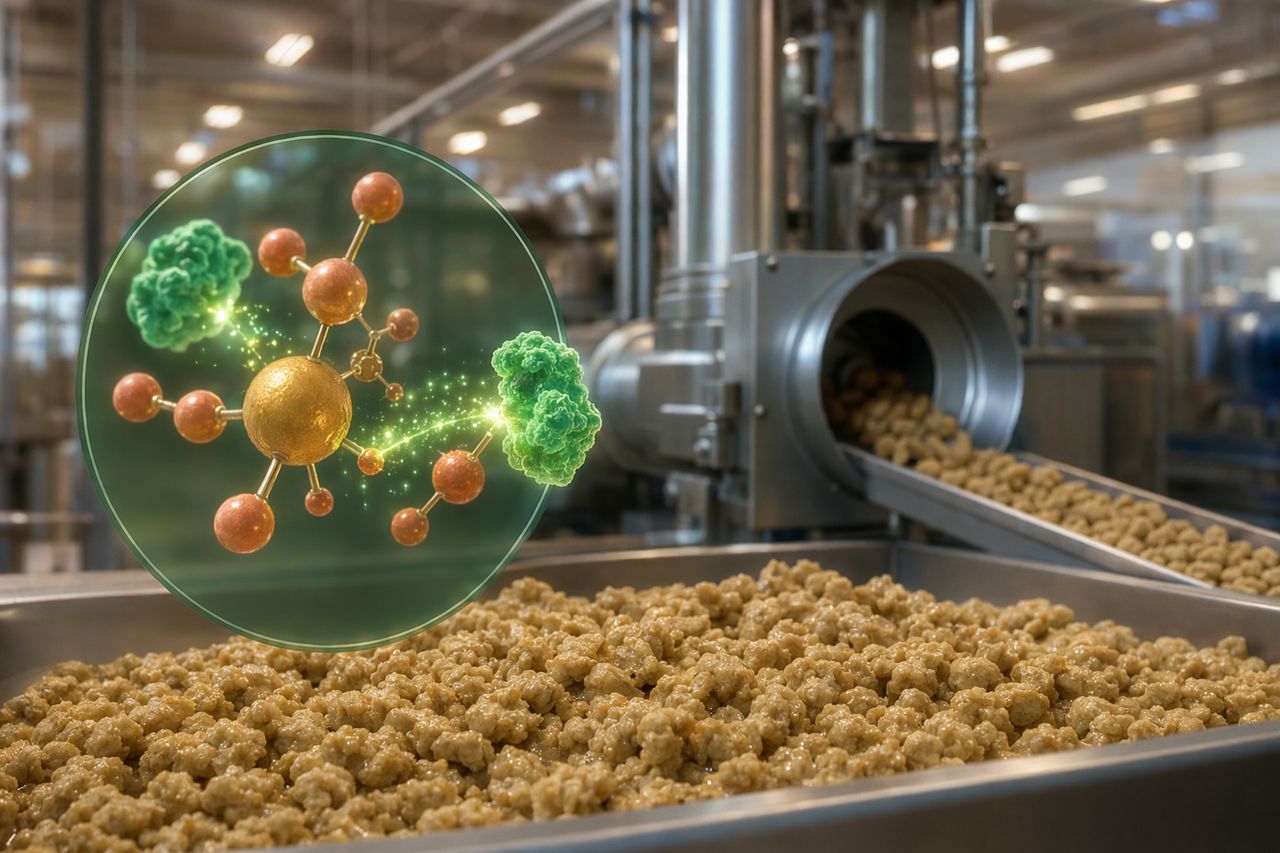
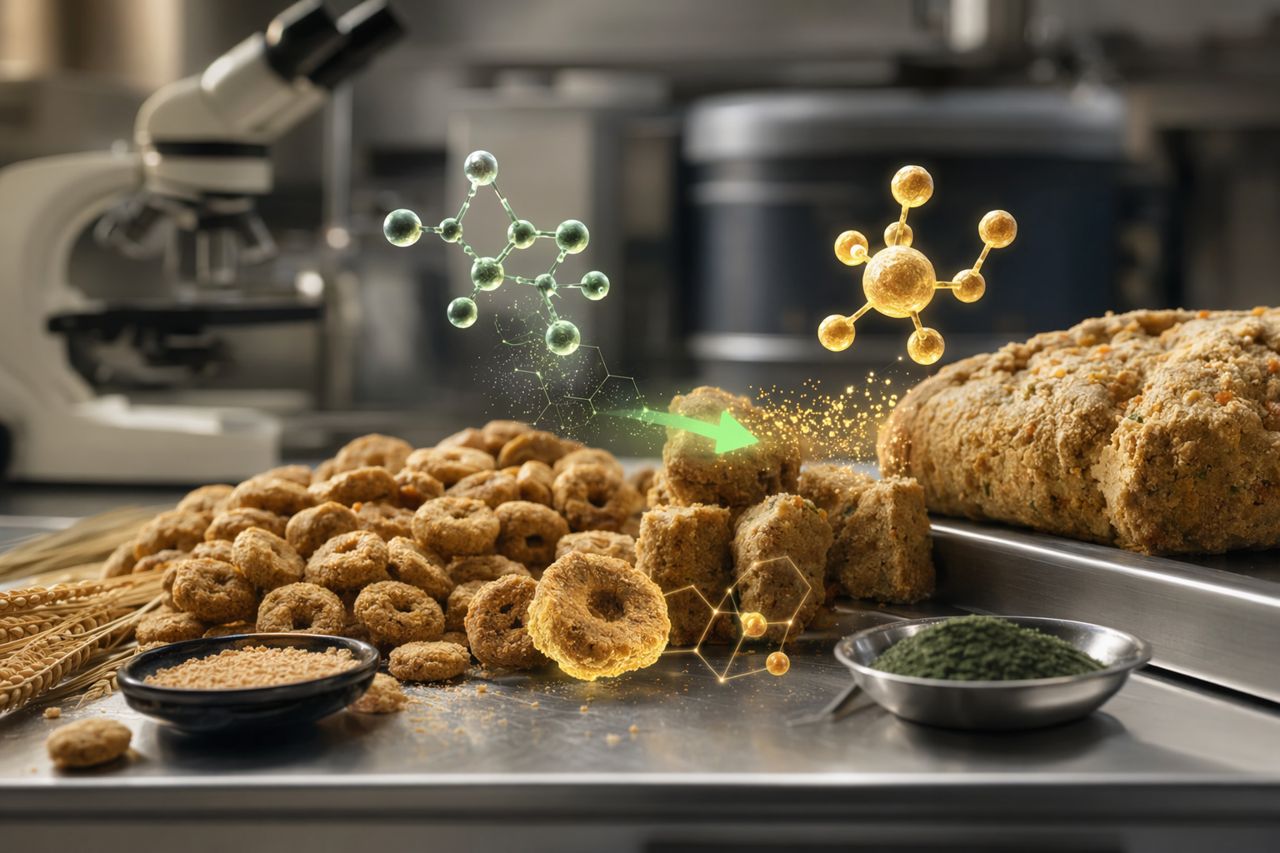
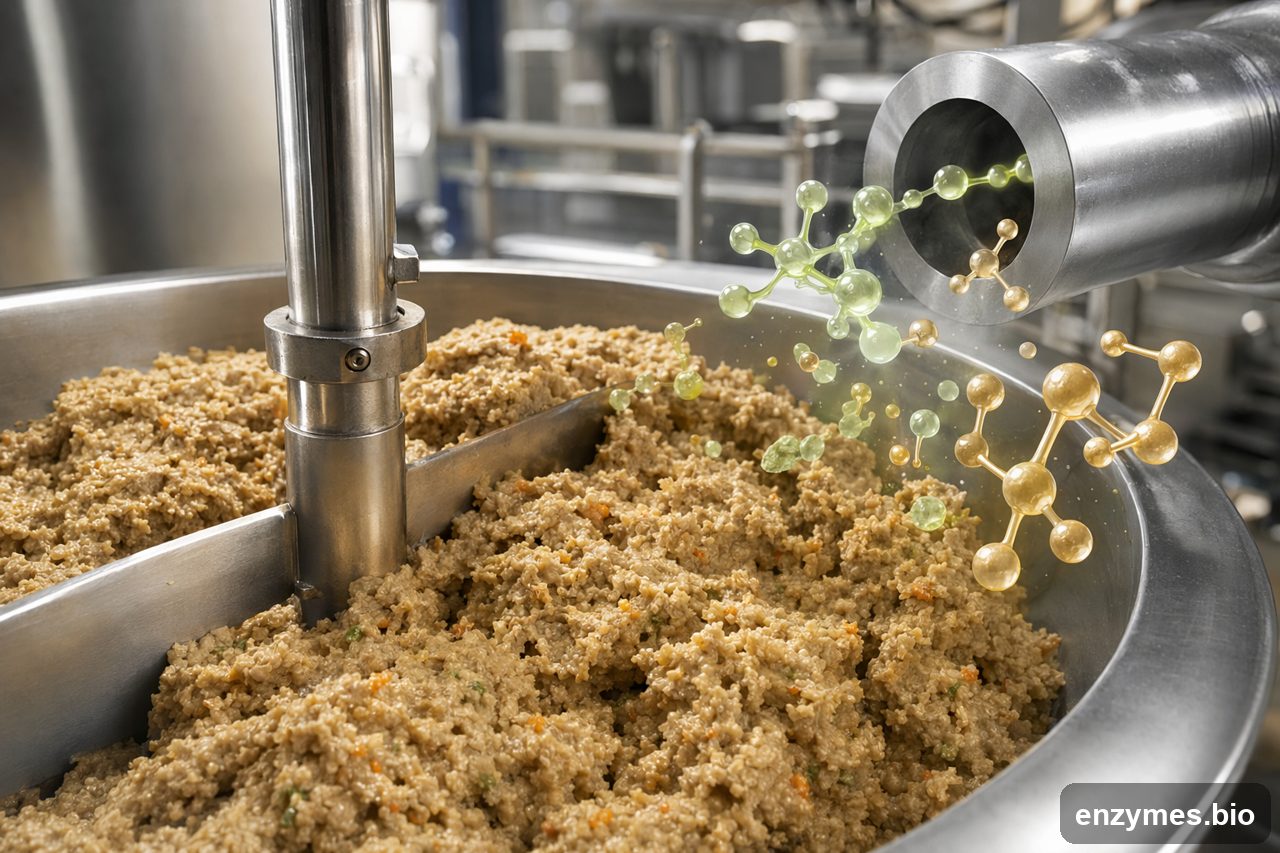
Phytase helps by hydrolyzing phytate into lower inositol phosphates and free phosphate, creating a more useful mineral profile for the animal and a more flexible formulation model for the manufacturer.
Application fit
Phytase is relevant for:
- Extruded dry dog and cat food using plant proteins, grains, or pulse ingredients
- Baked treats and biscuits with cereal or legume components
- Semi-moist products where processing conditions support enzyme strategy
- Premium and veterinary-adjacent formulas seeking tighter mineral control
- Sustainability-led recipes designed to reduce excess mineral output
- Cost-optimized formulas where inorganic phosphate reduction is under evaluation
Commercial formulation value
A phytase program can support several measurable formulation objectives:
- Improved release of phytate-bound phosphorus from plant ingredients
- Reduced reliance on added inorganic phosphate, where nutrition models support it
- Better control of total ash and mineral density targets
- Reduced nutrient waste in formulas with high plant inclusion
- More consistent mineral contribution from variable plant raw materials
- Support for sustainability reporting tied to phosphorus efficiency and excretion reduction
The practical value depends on recipe composition, process conditions, pet life stage, species, regulatory framework, and the mineral safety margins used by the formulator.
Processing considerations for extruded and baked products
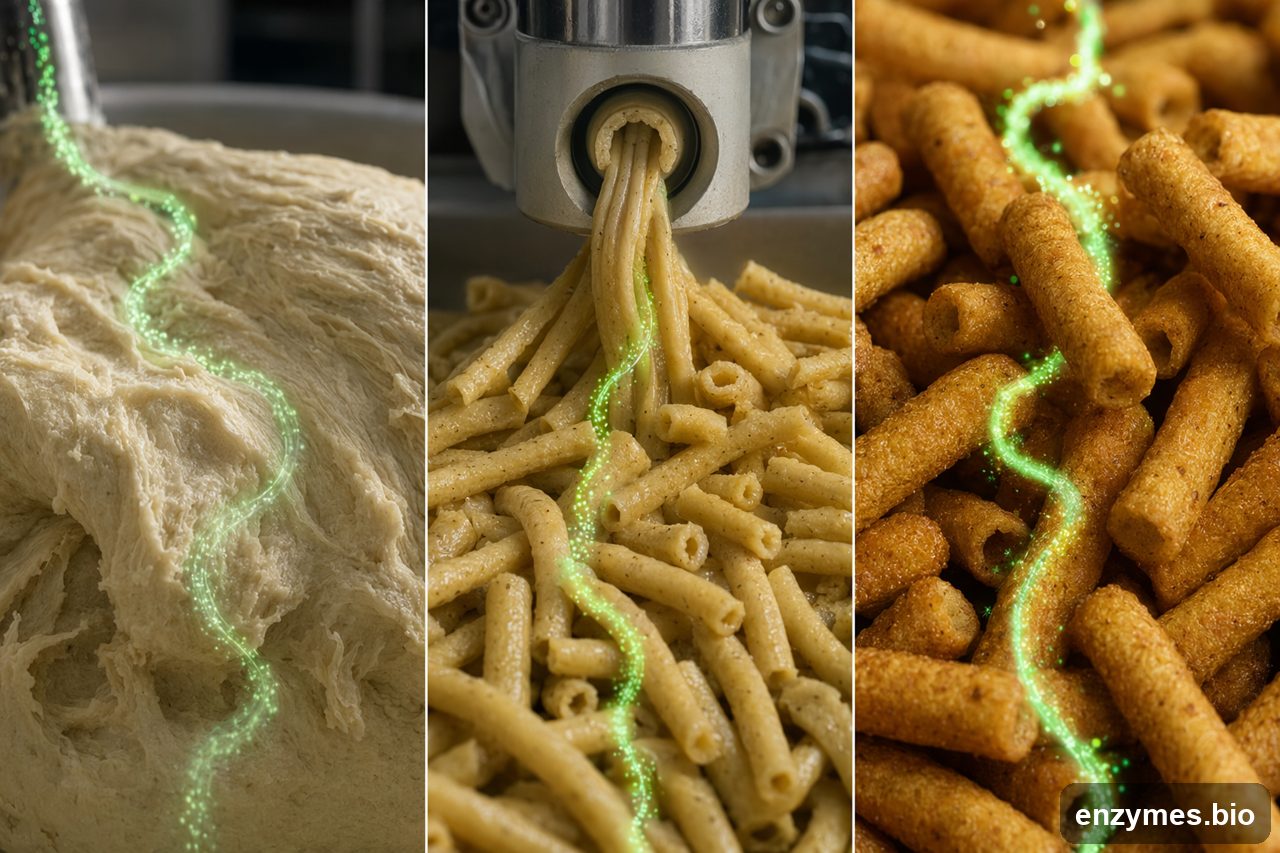
Pet food manufacturing places real stress on enzymes. Extrusion, baking, drying, coating, and storage can all influence how phytase should be selected and applied.
Key evaluation points include:
- Recipe pH and water activity during the enzyme-active phase
- Moisture availability in dough, mash, slurry, or coating systems
- Thermal exposure during extrusion, baking, and drying
- Residence time before and during heat treatment
- Whether the enzyme is best applied pre-process, post-process, or through coating
- Compatibility with fats, palatants, acids, minerals, preservatives, and binders
- Finished-product stability through packaging, warehousing, and distribution
For many pet food systems, enzyme format and point of addition are as important as the enzyme itself.
Where nutrition and procurement align
Phytase is not only a technical additive. It can affect purchasing strategy.
When a formula successfully releases more phosphorus from existing plant ingredients, the business may be able to reduce selected mineral inputs, improve ingredient efficiency, and lower the cost of delivering the intended nutrient profile. Procurement teams also gain value from predictable documentation, lot consistency, format selection, and supply continuity.
Phytase Enzyme Solutions supports these decisions with B2B-focused application guidance, specification alignment, and supply planning for commercial pet food operations.
Treats, biscuits, and specialty formats
Baked pet treats often contain cereal flours, oilseed meals, starches, fibers, and plant proteins. These systems may contain phytate but differ from kibble in dough handling, bake profile, moisture, density, and packaging format.
For treat manufacturers, phytase may be considered where mineral positioning, plant-protein inclusion, or sustainability claims are part of the product brief. Application development should confirm that processing conditions allow the selected enzyme strategy to deliver practical nutrient release.
What a quote covers
For technical directors, nutritionists and buyers, a quote covers:
- the product format for your process: extrusion, baking or coating
- a check of your recipe for phytate-rich ingredients
- packaging and supply planning for recurring production
For the papers your QA team needs, we tell you which documents are available for that grade.
Request a quote or get pricing
For pet food phytase, the inquiry should say:
- dry food, semi-moist, biscuits or treats
- whether the enzyme goes in before extrusion or baking, or in the coating
- the cereals, pulses or oilseed meals in the recipe
- the quantity per order or per month, and the delivery country
Prices, quantities and lead times are quoted per order. Request a quote.