Phytase for formulation trials
Phytase evaluation should do more than confirm that an enzyme is present in feed. For nutritionists, feed mills, ingredient developers, and technical directors, the trial question is commercial: how reliably can phytase release bound phosphorus from phytate, reduce inorganic phosphate dependency, protect performance, and support a defendable formulation matrix?
We supply phytase in bulk to feed mills, premix makers, integrators and distributors serving poultry, swine and aquaculture producers. A good trial ends in a formulation decision that purchasing, premix design and the feed mill can act on. This page sets out how to plan one.
Wholesale and bulk supply for feed manufacturers and resellers. Request a quote with the species, the diet type, the quantity and the delivery country. Prices and lead times are quoted per order.
What a useful phytase trial should prove
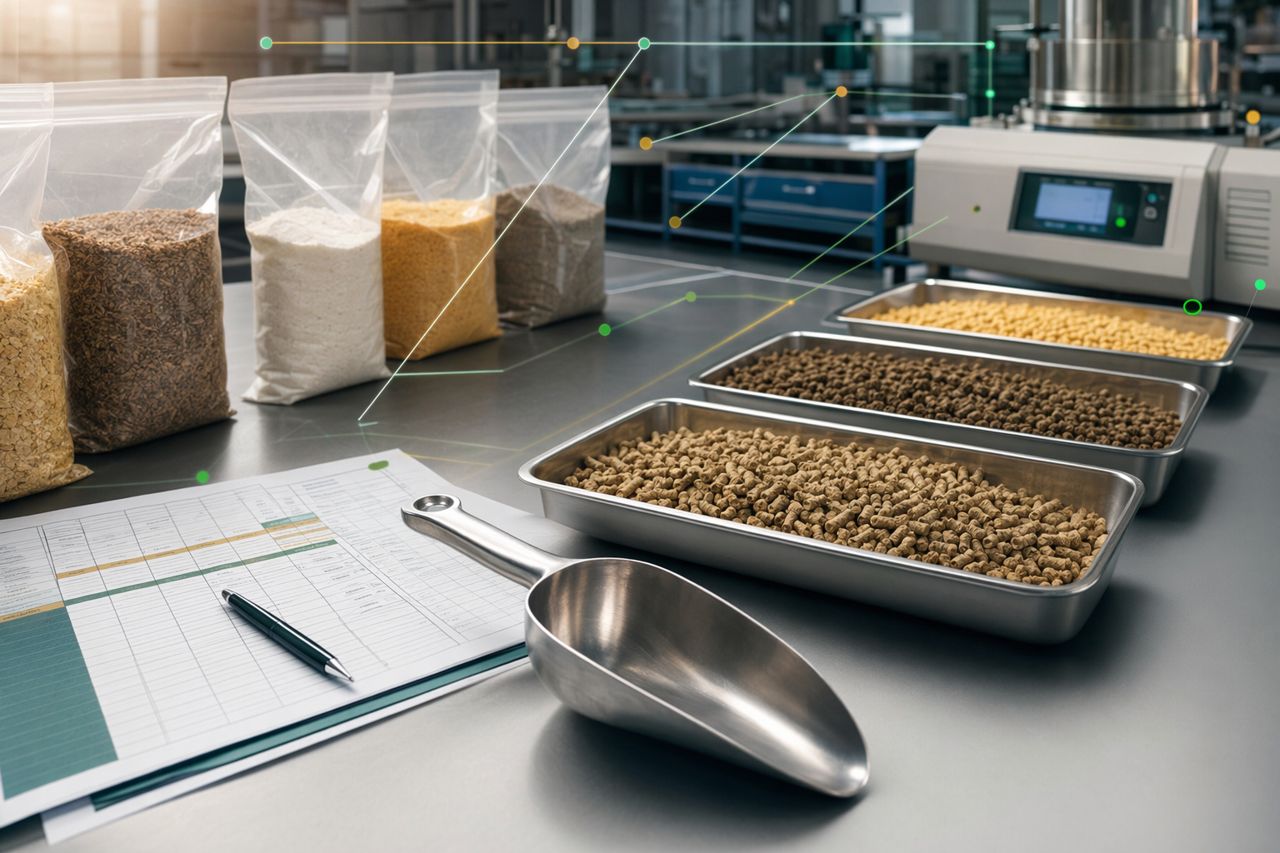
A formulation trial should connect enzyme selection to measurable feeding value. The most useful programs typically assess:
- Phosphorus release consistency across target diets and ingredient sources
- Calcium and phosphorus balance under the intended matrix strategy
- Feed conversion and growth response versus positive and negative controls
- Bone or mineralization indicators where relevant to species and life stage
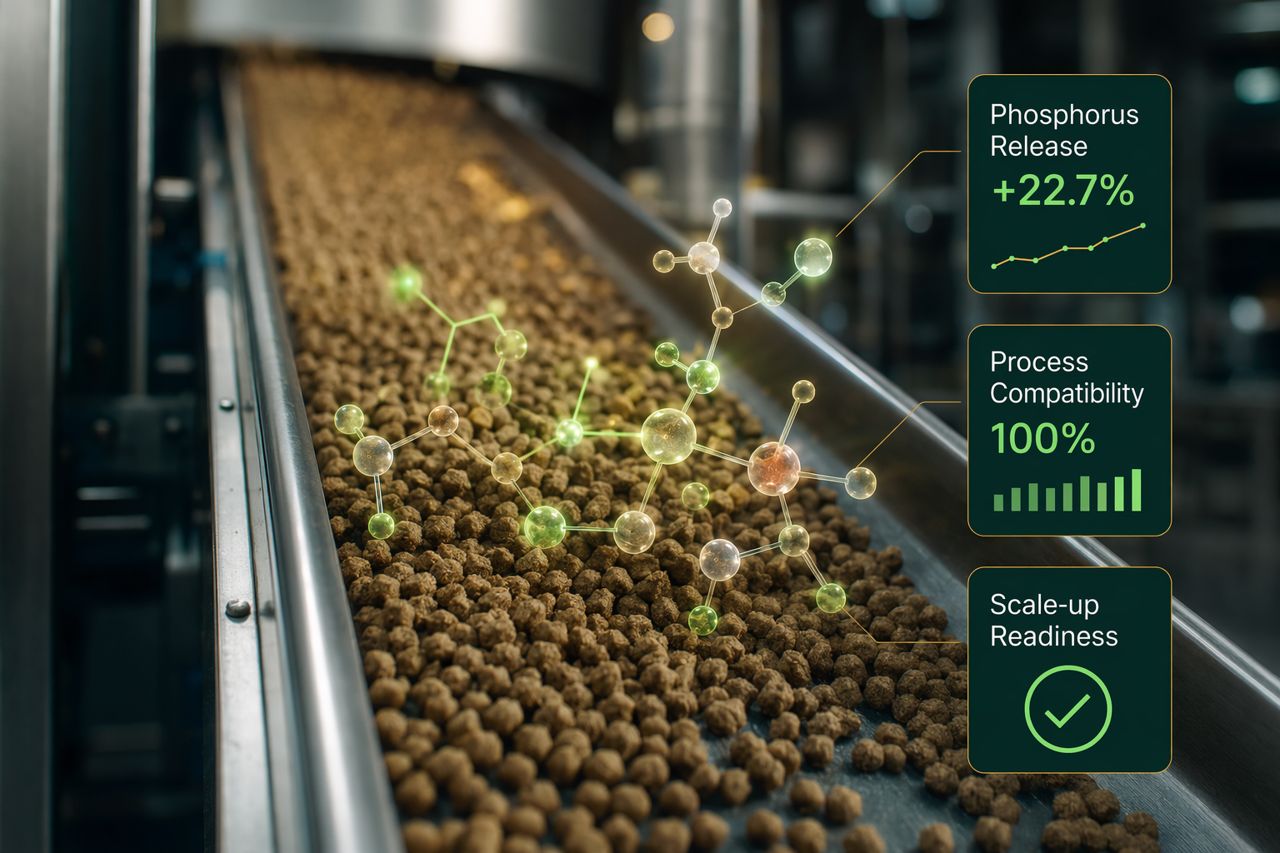
- Compatibility with premix, pelleting, and feed mill workflow
- Economic replacement value against inorganic phosphate and other matrix credits
- Manure phosphorus reduction potential for sustainability and regulatory goals
The goal is not just to produce a response curve. It is to define a formulation position your team can defend in production.
Where phytase creates value in formulation development
Releasing phytate-bound phosphorus
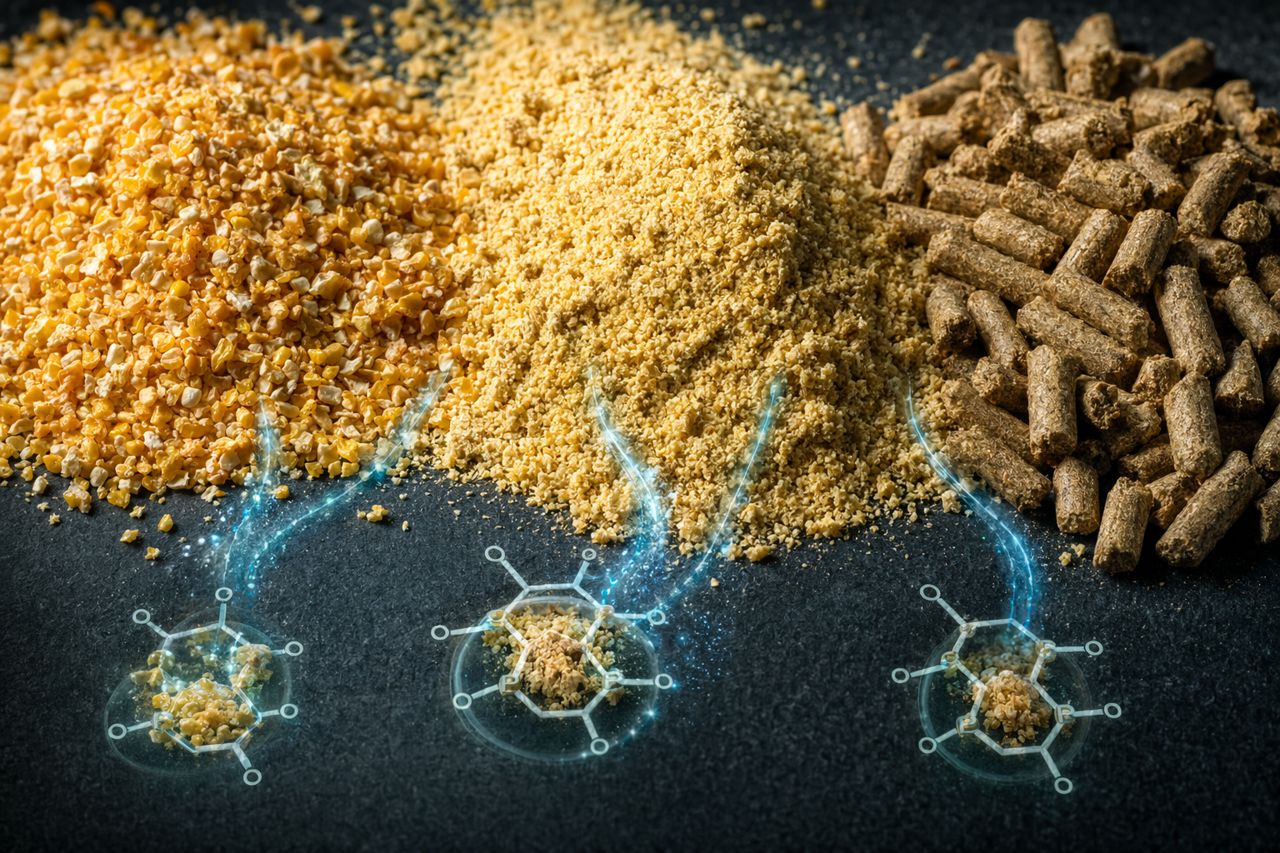
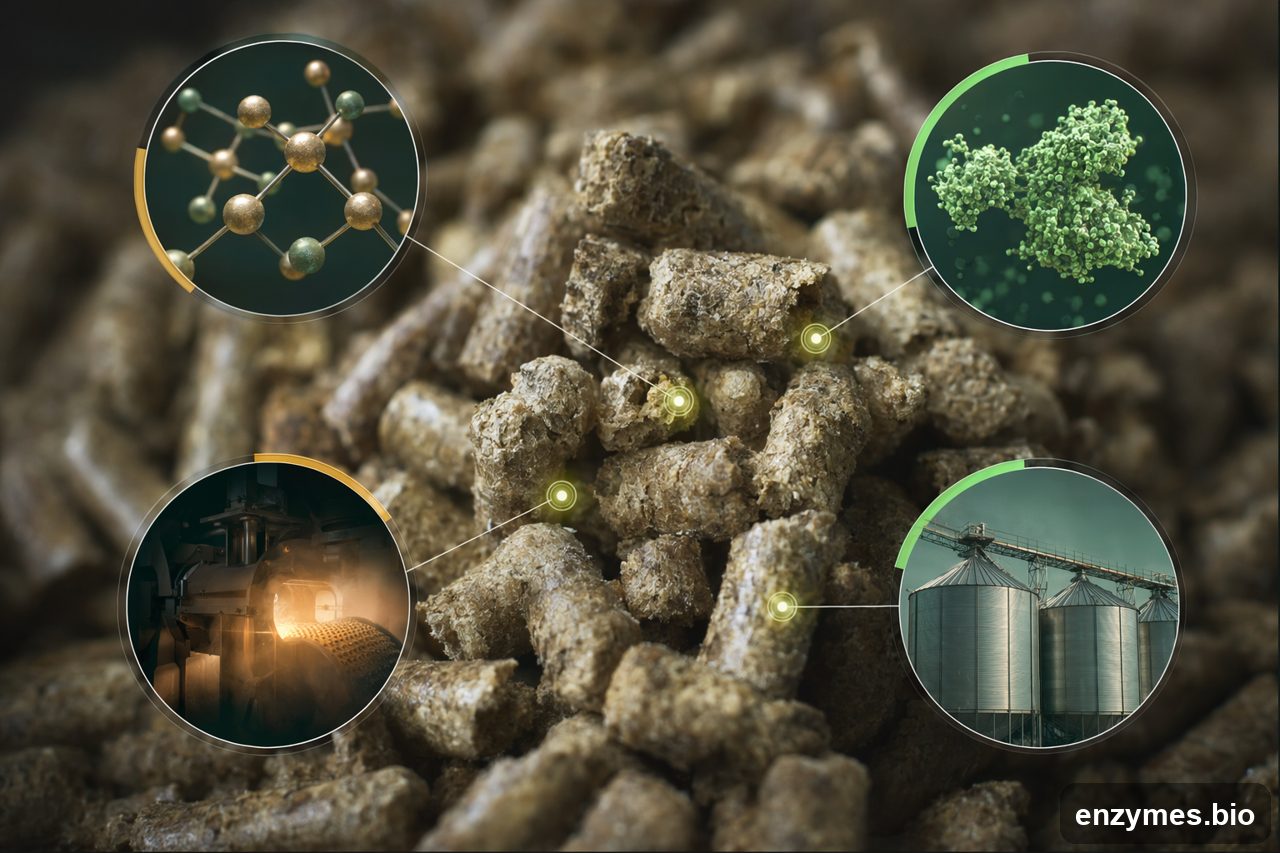
Corn, soybean meal, wheat, rice bran, and many other plant ingredients contain phosphorus that is partially locked in phytate. Animals with limited endogenous phytase activity cannot access all of that phosphorus efficiently. Supplemental phytase hydrolyzes phytate, improving phosphorus availability and helping reduce reliance on mineral phosphate sources.
Supporting lower-cost, lower-waste diets
A validated phytase matrix can help formulators reduce added inorganic phosphorus while maintaining the intended available phosphorus supply. Depending on the formulation philosophy, the matrix may also consider calcium interaction, energy contribution, amino acid effects, and mineral availability. Each credit should be tested against the diet type, animal category, and risk tolerance of the operation.
Improving sustainability metrics
By improving phosphorus utilization, phytase can reduce phosphorus excretion and support nutrient management goals. For integrators, producers, and feed companies, this can contribute to lower mineral input intensity, reduced manure nutrient loading, and more resource-efficient feed programs.
Trial planning framework
1. Define the commercial decision before the trial starts
Before building diets, confirm what decision the trial must support:
- Approval of a new phytase source
- Matrix validation for least-cost formulation
- Supplier comparison
- Pelleted feed process verification
- Replacement of inorganic phosphate
- Species- or phase-specific reformulation
- Sustainability claim support
A clear decision point keeps the trial from becoming an open-ended technical exercise.
2. Build controls that answer formulation questions
A practical phytase trial usually needs more than one control diet. Consider including:
- Positive control: meets the current nutrient specification without relying on extra phytase value
- Negative control: reduced available phosphorus and/or calcium according to the matrix being tested
- Phytase treatment diets: negative-control base plus phytase at supplier-recommended inclusion levels
- Optional comparator: current commercial phytase or internal benchmark
The design should separate enzyme contribution from general diet quality, ingredient variation, and processing effects.
3. Match the matrix to the animal and diet
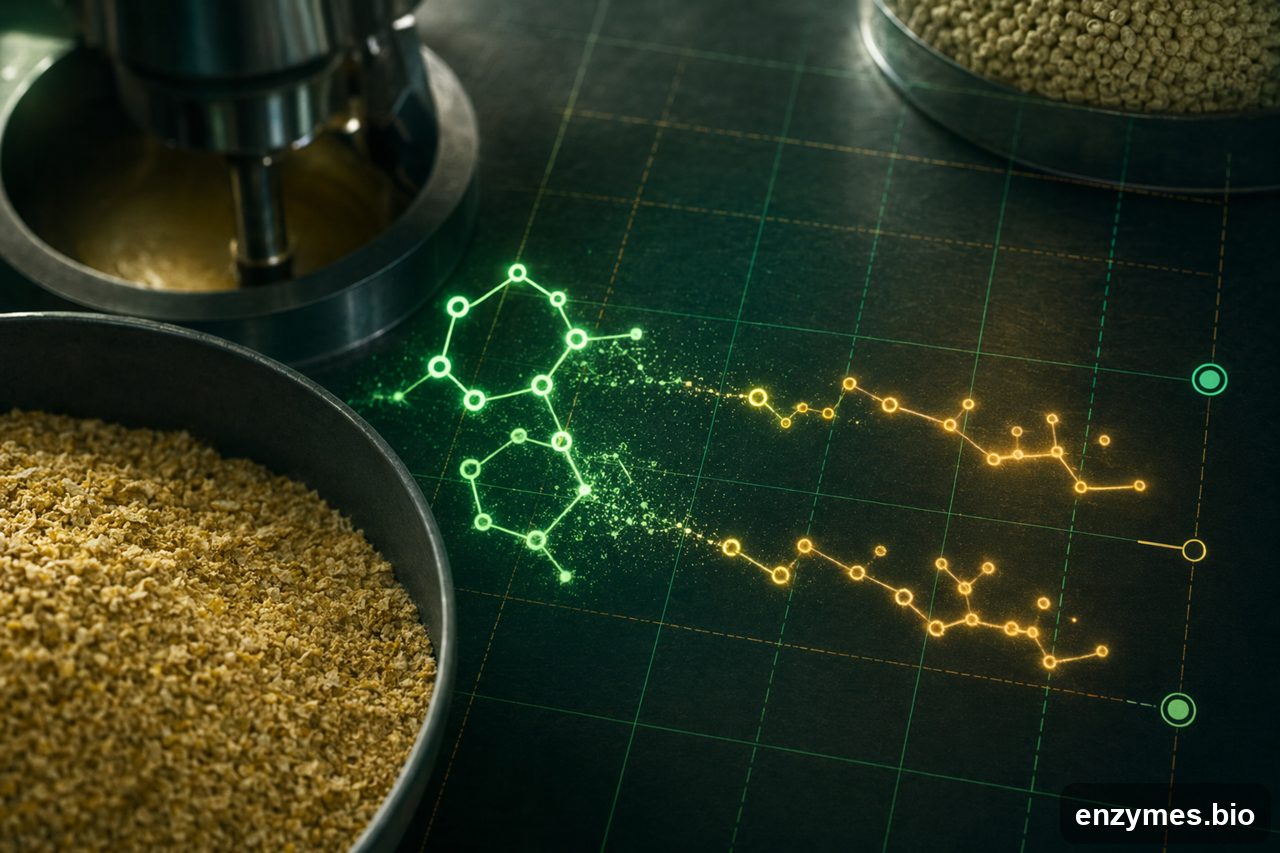
A phytase matrix is not universal. It should reflect:
- Species and production phase
- Basal phytate level of the diet
- Calcium level and calcium source
- Grain and protein meal profile
- Use of organic acids, minerals, and other enzymes
- Heat exposure during conditioning and pelleting
- Desired safety margin in commercial formulation
For high-risk launches, a conservative matrix can be introduced first, then refined after production-scale confirmation.
4. Include feed mill realities
Formulation value only matters if the enzyme reaches the animal in a usable state. Trial planning should consider how the phytase will be handled in the real feed manufacturing process:
- Dry or liquid application route
- Premix compatibility
- Mixing sequence
- Conditioning temperature profile
- Retention time
- Pellet durability targets
- Storage time and humidity exposure
- Cross-contamination controls where applicable
Feed samples should be retained at key production points so that any performance result can be interpreted against actual manufacturing conditions.
Procurement criteria for phytase evaluation
Technical performance and purchasing requirements should be reviewed together. When evaluating bulk phytase supply, procurement and technical teams should align on:
- Product format and handling requirements
- Lot-to-lot consistency documentation
- Recommended storage conditions and shelf-life expectations
- Packaging suitable for plant operations
- Regulatory and feed-grade documentation for target markets
- Lead time, minimum order planning, and continuity of supply
- Technical support for trial design and scale-up
A lower purchase price does not always create a lower feed cost. The relevant comparison is delivered formulation value under your diets, your feed mill conditions, and your safety margin.
Recommended trial outputs
At the end of a phytase evaluation, your team should have a practical formulation file, not only a trial report. Useful outputs include:
- Approved nutrient matrix or staged matrix recommendation
- Diet categories where the matrix applies
- Conditions where the matrix should not be used
- Feed manufacturing notes
- Procurement specification
- Quality documentation checklist
- Scale-up plan for first commercial batches
- Monitoring plan for field performance and mineral indicators
This makes the transition from trial to purchasing cleaner and reduces the risk of over-crediting the enzyme before the evidence supports it.
Common formulation mistakes to avoid
- Applying one matrix across all diets without checking phytate level
- Reducing phosphorus without rechecking calcium balance
- Ignoring heat exposure during pelleting
- Comparing products without a consistent negative-control diet
- Treating lab confirmation as a substitute for animal response data
- Launching at full matrix value before feed mill handling is verified
- Excluding procurement requirements until after technical approval
Work with Phytase Enzyme Solutions on phytase trial planning
Planning a phytase trial before a bulk order? Tell us:
- the species and the diet type you will test
- the manufacturing route (mash, pellet, post-pellet liquid)
- the decision the trial has to support, such as a phosphate cut
- the expected annual quantity and the delivery country
Prices, quantities and lead times are quoted per order. Request a quote.