Phytase for cereal processing
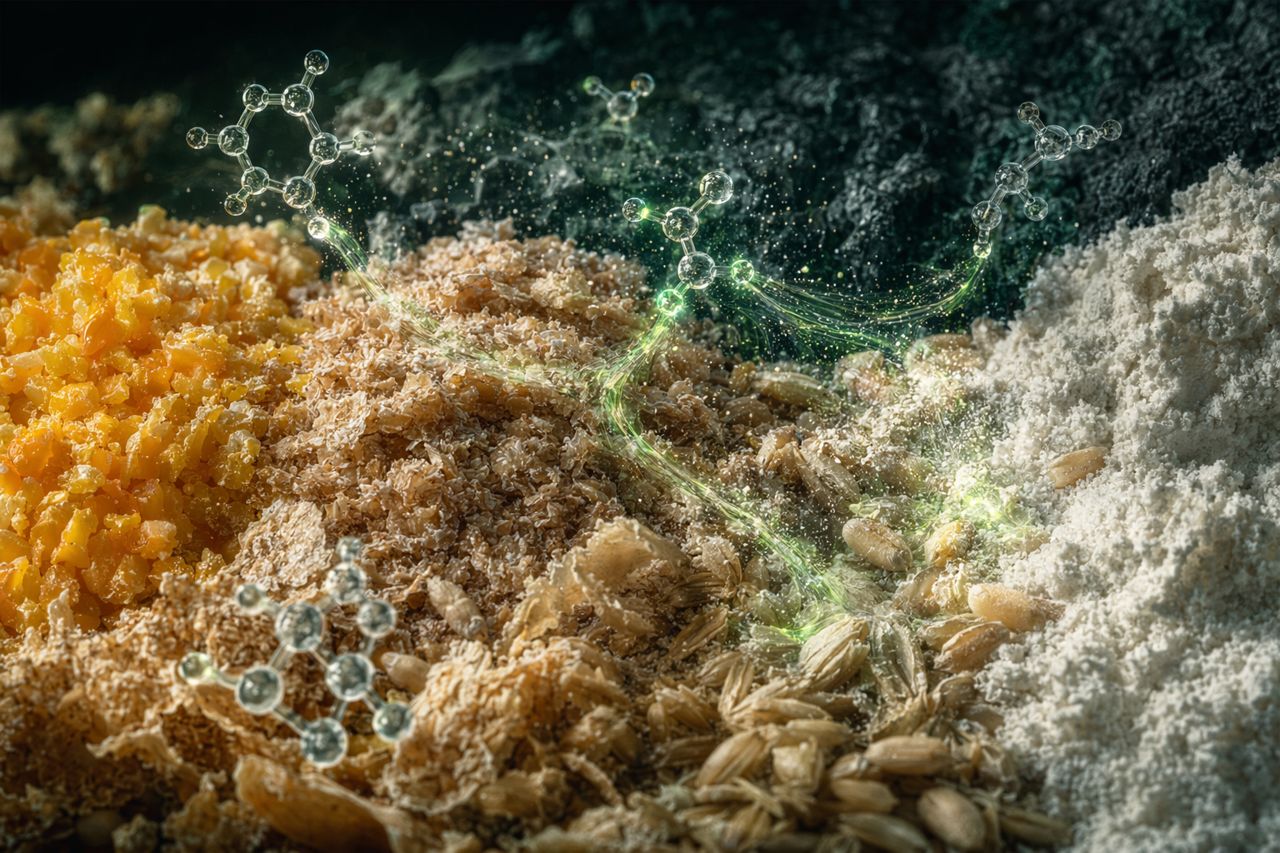
We supply phytase in bulk to cereal and flour ingredient makers, bran processors and the distributors that serve them. In cereal streams much of the phosphorus and the minerals are bound in phytate. A controlled phytase step before drying, cooking or extrusion releases them, so the same grain gives you a better-positioned ingredient to sell.
Wholesale and bulk supply for cereal ingredient manufacturers and resellers. Request a quote with the cereal stream, the quantity and the delivery country. Prices and lead times are quoted per order.
For technical directors, nutritionists, and procurement teams, the value is practical: release more of the mineral potential already present in the grain, improve ingredient positioning, and support lower-waste formulation strategies without rebuilding the entire process.
Why phytate matters in cereal systems
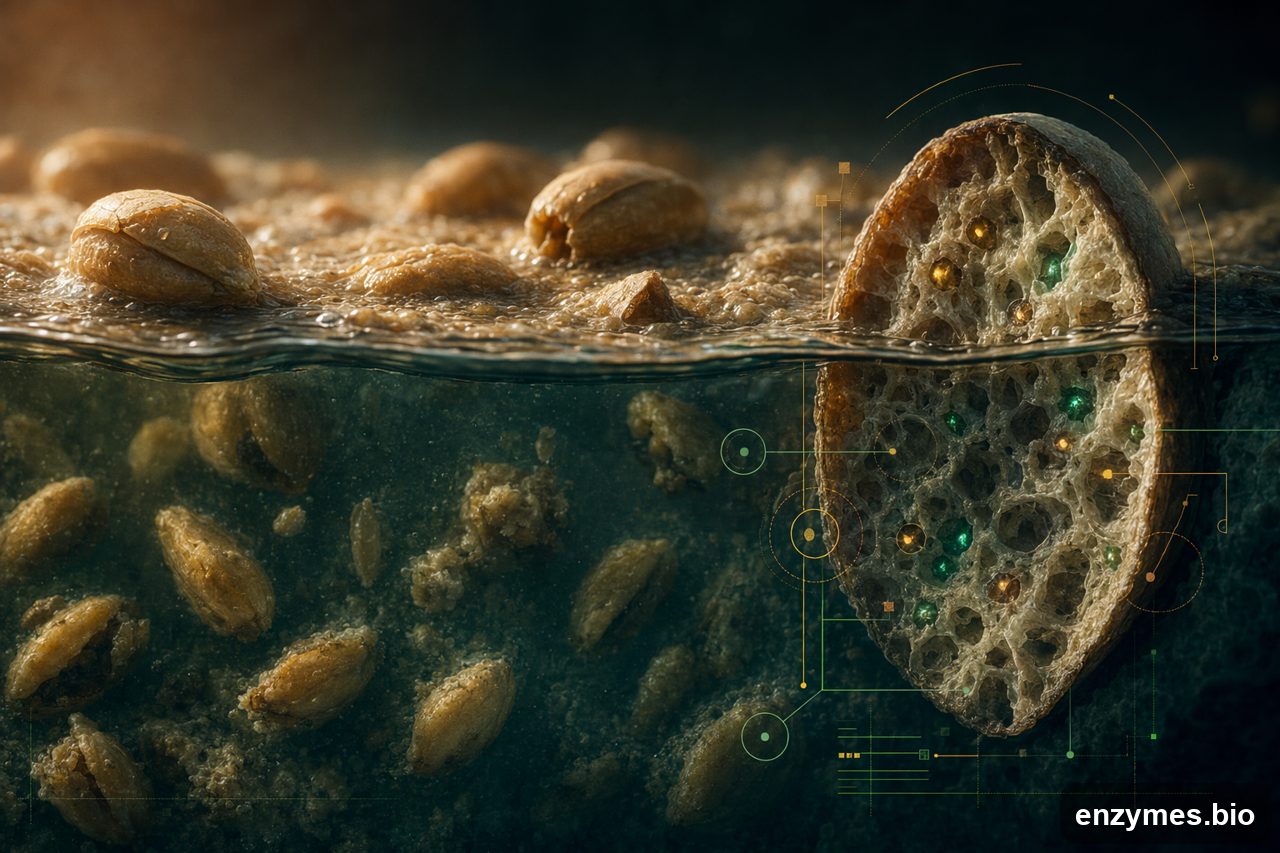
Phytate is concentrated in the outer layers and germ fractions of grains. It can complex with minerals such as phosphorus, calcium, zinc, iron, and magnesium, limiting their accessibility during downstream use. In cereal processing, this can influence nutritional value, fermentation behavior, and the way an ingredient performs in a finished product or feed formula.
Phytase helps hydrolyze phytate into lower-phosphate inositol forms and free phosphate. The result is a cereal ingredient with a reduced phytate load and improved access to bound nutrients when the process conditions are aligned.
Where phytase fits
Phytase can be evaluated in cereal workflows such as:
- Wheat, corn, rye, oat, barley, sorghum, and mixed-grain ingredient processing
- Wholegrain, bran-rich, and high-fiber cereal fractions
- Flour slurry treatment before drying, blending, or further processing
- Fermented grain bases where phytate reduction and mineral accessibility are relevant
- Cereal adjunct streams used in food, feed, and nutrition ingredient systems
- Pre-treatment steps for plant-based formulations using cereal components
Commercial value for formulators
A phytase program is strongest when it is tied to measurable process and formulation outcomes. Typical evaluation goals include:
- Lower residual phytate in cereal ingredients
- Improved phosphorus and mineral accessibility
- Better use of naturally occurring grain phosphorus
- Support for reduced reliance on added inorganic mineral sources where formulation rules allow
- Improved nutritional positioning for bran-rich and wholegrain ingredients
- Reduced phosphorus loss into side streams and wastewater
- More consistent ingredient specifications across grain lots
Process factors that determine performance
Phytase selection is not only about the enzyme name. Performance depends on the cereal matrix and the processing window. Phytase Enzyme Solutions helps buyers and technical teams review key variables before trial design:
- Grain type and phytate distribution across the fraction
- Particle size, hydration level, and slurry solids
- Process pH and buffering capacity
- Temperature exposure and hold time
- Mixing intensity and enzyme contact with substrate
- Fermentation organisms or other processing aids present
- Heat steps that may stop enzyme activity
- Target residual phytate level and final ingredient use
This approach keeps the evaluation grounded in production reality rather than bench data alone.
Application notes by workflow
Flour and slurry systems
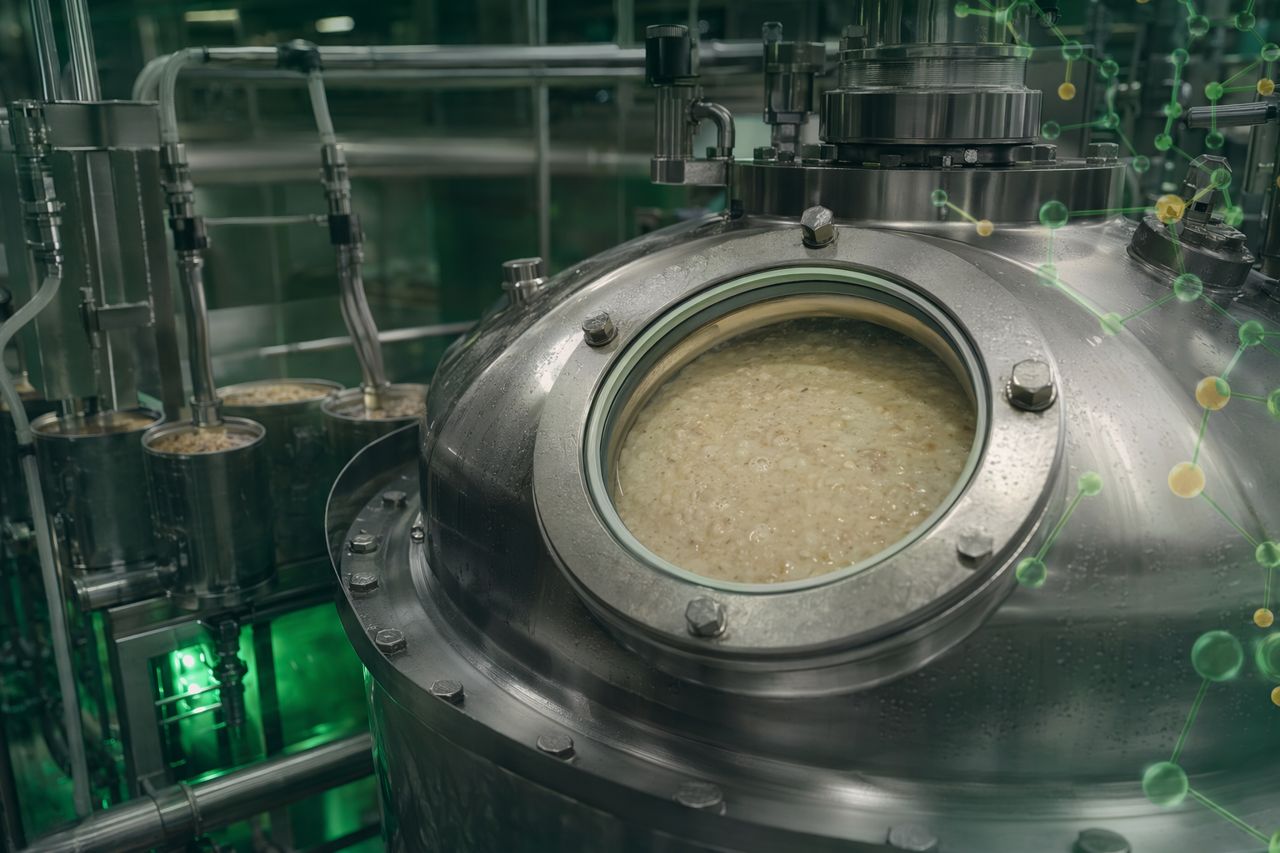
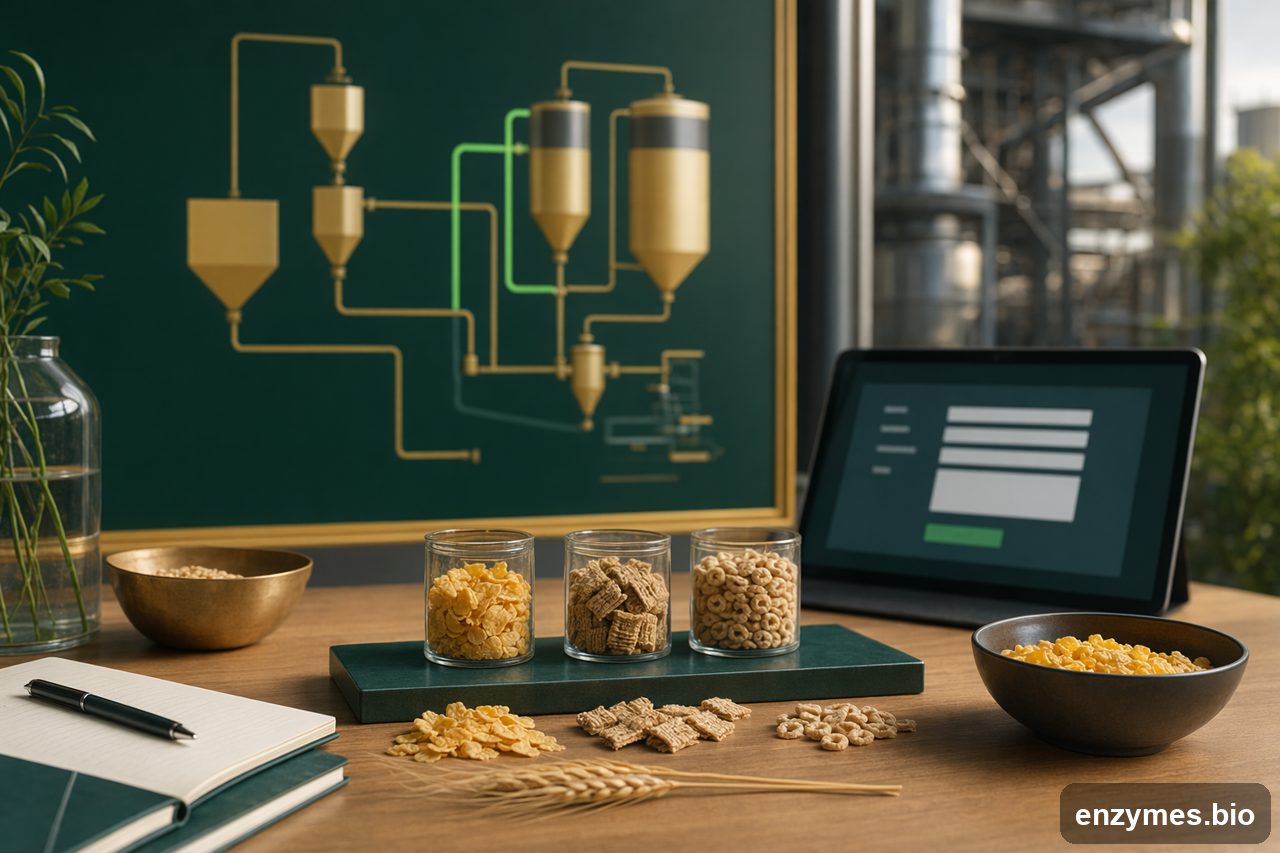
In hydrated flour systems, phytase can be introduced where water, time, and temperature allow meaningful substrate contact. These applications often focus on reducing phytic acid before drying, cooking, extrusion, or blending into a finished ingredient.
Bran-rich fractions
Bran and wholegrain fractions usually contain higher phytate concentrations than refined starch fractions. Phytase treatment can help improve the nutritional profile of these materials while preserving the commercial value of high-fiber claims and wholegrain positioning.
Fermented cereal bases
In fermented grain applications, phytase can complement process conditions that naturally favor phytate reduction. The technical focus is compatibility: pH trajectory, fermentation time, microbial system, heat treatment, and final sensory profile.
Cereal ingredients for feed-linked formulations
Where processed cereal ingredients move into feed or nutrition systems, phytase-supported phytate reduction can contribute to mineral efficiency and phosphorus management. The specific value depends on the complete formulation and regulatory context.
Specification and procurement considerations
When sourcing phytase for cereal processing, procurement should align with technical and quality teams on more than price per kilogram. Useful qualification points include:
- Product form suited to the plant: powder, granulated, or liquid where available
- Stability during storage and handling under the buyer’s conditions
- Compatibility with dosing, blending, or liquid addition systems
- Documentation package for intended market and region
- Batch consistency and supply reliability
- Trial support and scale-up guidance
- Packaging sizes aligned with production cadence
Phytase Enzyme Solutions can support specification discussions without forcing a one-size-fits-all recommendation.
Trial design: what to measure
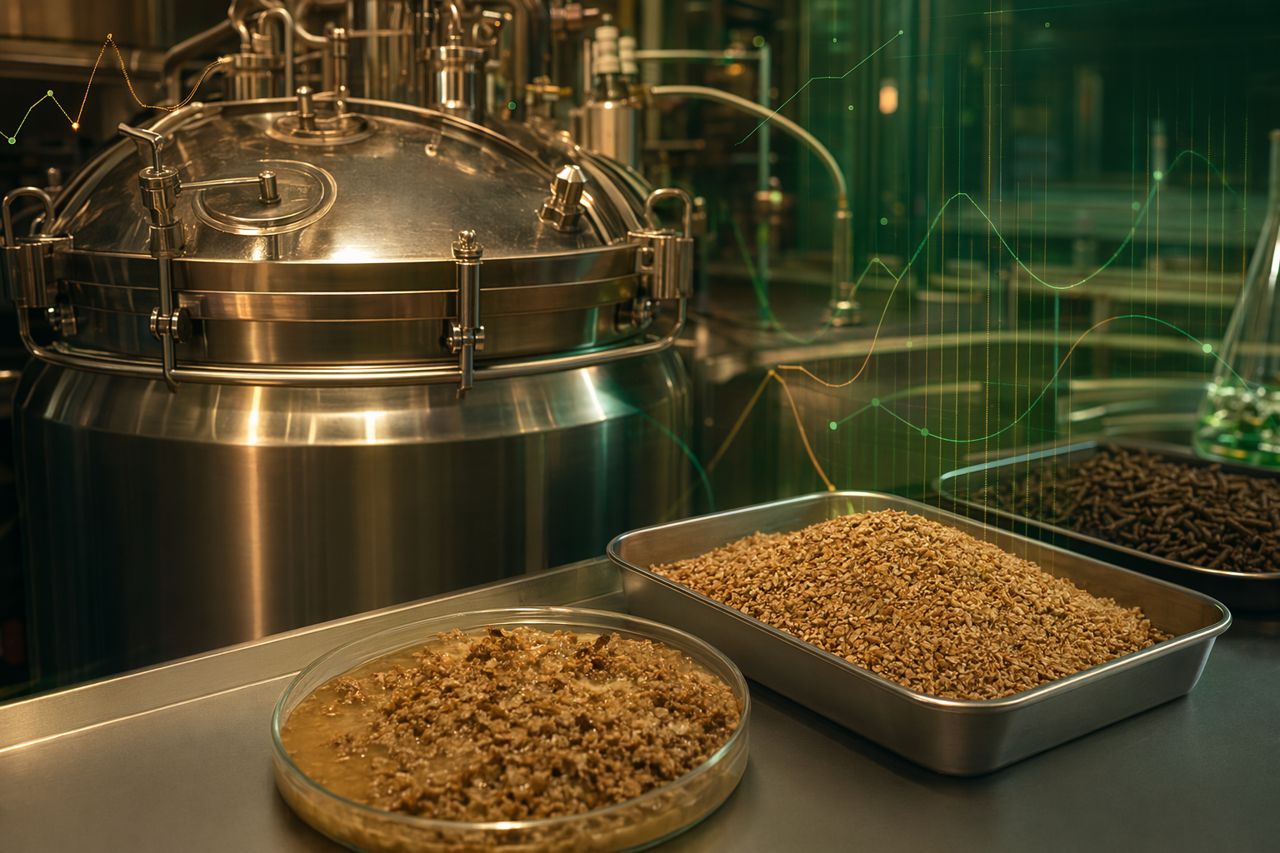
A strong plant trial connects enzyme addition to decision-grade data. Common trial endpoints include:
- Baseline and treated phytic acid levels
- Released phosphate and selected mineral availability indicators
- Ingredient moisture, pH, and process temperature profile
- Sensory impact where the ingredient enters food applications
- Handling behavior after treatment, drying, or milling
- Compatibility with existing processing aids
- Finished formulation impact and cost-in-use
The goal is to identify the lowest practical intervention that delivers the required phytate reduction under your operating conditions.
Sustainability and phosphorus efficiency
Cereal processing already operates at large scale. Small improvements in phosphorus availability can have meaningful system-level effects: better use of nutrients already present in grain, reduced mineral over-supplementation pressure in connected formulations, and lower phosphorus load in waste streams. Phytase is not a substitute for responsible formulation, but it is a practical tool for improving nutrient efficiency.
Work with Phytase Enzyme Solutions
Cereal processors get a quicker answer when the inquiry names:
- the grain or fraction (flour, bran, fermented base)
- the process window: hydration, pH, temperature and hold time before the heat step
- powder or liquid
- the quantity per order or per month, and the delivery country
We reply with the grade that fits and a price for your quantity. Request a quote.