Phytase specified for phosphorus release, formulation value and lower mineral waste
Inosira is a technical B2B resource for Phytase (myo-inositol hexakisphosphate phosphohydrolase): the enzyme used to hydrolyze phytate in plant-based raw materials and release bound phosphorus for animal nutrition and industrial phosphorus applications.
For nutritionists, formulators, technical directors and procurement teams, phytase is not a generic line item. Its value depends on release consistency, feed-process survival, substrate access, documentation quality and how confidently it can be applied in the formulation matrix.
Request a quote or use the form below to get pricing, specification support and application guidance.
What phytase does
Phytate is the main storage form of phosphorus in grains, oilseed meals, brans and many plant-derived ingredients. In monogastric animals, native phytate phosphorus is only partly available without enzymatic support. Phytase catalyzes stepwise dephosphorylation of phytate, helping unlock phosphorus and reduce the anti-nutritional effect of intact phytate complexes.
In practical formulation terms, an effective phytase strategy can support:
- Lower dependence on inorganic phosphate sources such as monocalcium or dicalcium phosphate
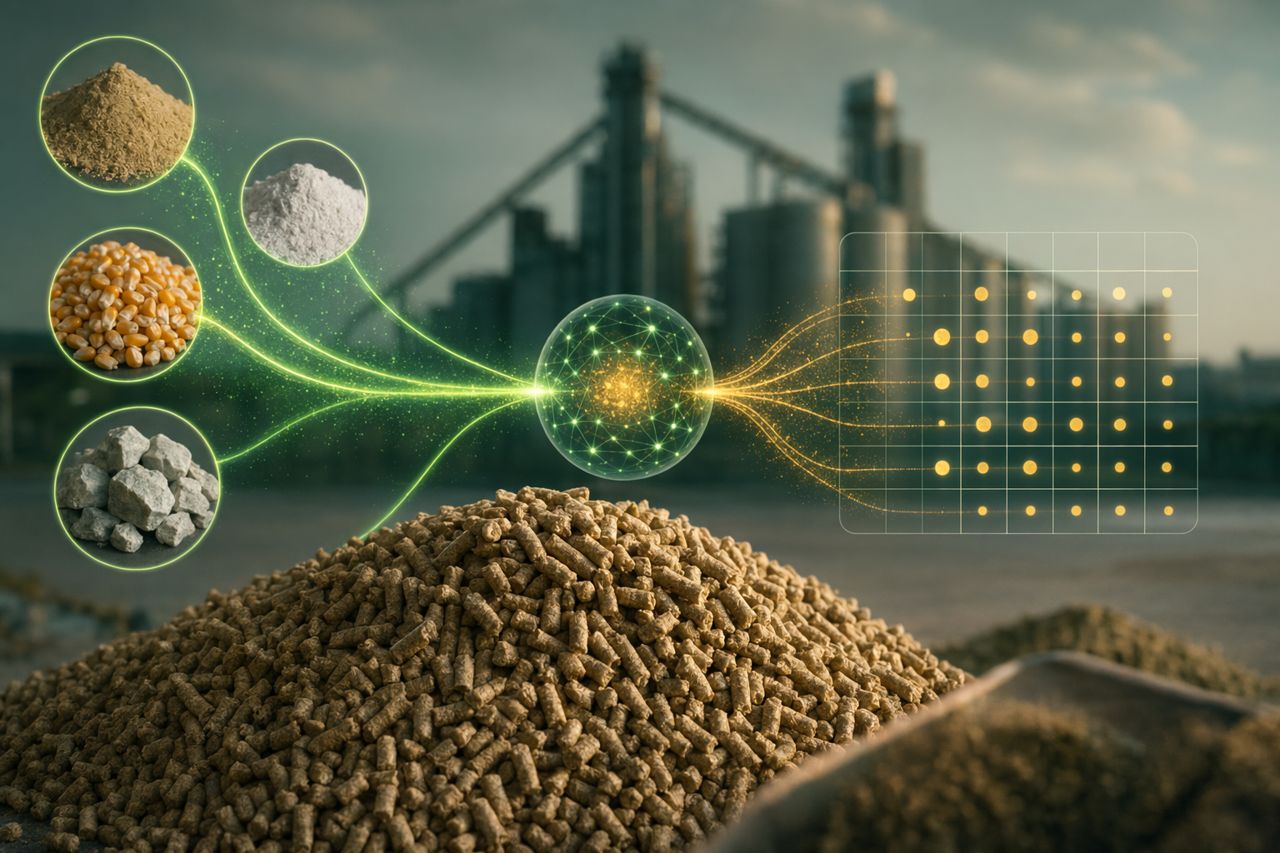
- Improved availability of bound phosphorus from corn, soybean meal, wheat, rice bran and other plant materials
- Better mineral nutrition planning for calcium, phosphorus and trace minerals
- Reduced phosphorus excretion and improved nutrient-use efficiency
- More flexible least-cost formulation when phosphate markets are volatile
- Cleaner sustainability reporting tied to lower mineral over-supply
Core applications
Animal feed formulation
Phytase is widely applied in poultry, swine, aquaculture and companion-animal feed where plant-based ingredients contribute significant phytate load. The formulation objective is clear: release more usable phosphorus from the raw material base while maintaining performance targets and reducing excess mineral supplementation.
Typical feed-sector use cases include:
- Broiler, layer, breeder and turkey diets
- Piglet, grower-finisher and sow diets
- Fish and shrimp feeds with plant-protein inclusion
- Pet food formulas using cereals, pulses and oilseed meals
- Premix programs where enzyme stability and distribution are critical
Food and plant-ingredient processing
In food and ingredient systems, phytase can be used where mineral bioavailability, phytate reduction or cereal and legume processing performance are relevant. It may support applications involving bran streams, plant protein ingredients, cereal fermentations or mineral-accessibility improvements, subject to the intended market and local regulatory requirements.
Phosphorus management and sustainability
By improving phosphorus utilization at the formulation level, phytase contributes to lower mineral over-formulation and reduced phosphorus output in manure or process residues. For integrated producers, mills and nutrition programs, this creates both cost and environmental value.
What B2B buyers should evaluate
Not every phytase behaves the same in a commercial feed system. Before committing to supply, buyers should review the enzyme against the operating realities of their mill, premix system and species program.
1. Release performance in the target diet
The enzyme should be evaluated against the actual substrate profile: corn-soy, wheat-based, rice-bran-rich, high-fiber, pulse-containing or aquafeed formulas. Phytate level, calcium balance, acid-binding capacity and processing conditions can all influence commercial outcomes.
2. Stability through feed manufacture
Pelleting, conditioning, storage and premix handling can reduce enzyme integrity if the product is not designed for the process. Procurement teams should confirm the recommended product form for their mill conditions, including granular, coated, thermostable or liquid post-application options.
3. Matrix confidence
Phytase only creates value when the nutrient matrix is applied responsibly. Nutrition teams need reliable guidance on available phosphorus contribution, calcium interaction, safety margins and reformulation limits by species and life stage.
4. Documentation and supply assurance
For commercial approval, request the complete technical package: product specification, safety documentation, regulatory status for target markets, allergen and GMO position where relevant, storage guidance, shelf-life profile and batch-level quality records.
5. Compatibility with the full additive program
Phytase may be used alongside xylanase, beta-glucanase, protease, organic acids, probiotics, trace minerals and coccidiostat programs. Compatibility should be considered in the context of premix order, moisture, temperature and handling.
Commercial value levers
Phytase purchasing is not only a price-per-kilogram decision. The strongest business case comes from total delivered value in the formula and in the field.
Key levers include:
- Phosphate replacement: reducing inorganic phosphorus input while maintaining nutrition specifications
- Formula-space recovery: creating room for other cost or performance adjustments
- Mineral balance: improving calcium and phosphorus planning rather than adding minerals defensively
- Waste reduction: lowering avoidable phosphorus excretion from over-supplementation
- Procurement resilience: reducing exposure to phosphate raw-material volatility
- Sustainability metrics: supporting measurable nutrient-efficiency narratives for customers and regulators
Product-format considerations
Depending on the manufacturing route, phytase may be specified in different physical forms.
Granular or coated phytase
Best suited for premix and mash or pelleted feed systems where uniform distribution and processing tolerance are required. Coating strategy, particle behavior and blend compatibility should match the mill’s handling conditions.
Thermostable phytase
Used where conditioning and pelleting temperatures create enzyme-loss risk. The goal is not only heat tolerance, but predictable retained functionality after the full manufacturing process.
Liquid phytase
Often applied after thermal processing where mills have liquid-application capability. Buyers should assess spray uniformity, storage handling, mixing control and hygiene procedures.
How Inosira supports specification work
Inosira helps buyers frame phytase decisions with the information needed for commercial approval and responsible use.
We can support:
- Application matching by species, ingredient base and processing route
- Product-form selection for premix, pelleted feed or liquid application
- Specification review for procurement and QA teams
- Documentation packages for internal approval
- Pricing discussions based on volume, format and supply requirements
- Formulation conversations around phosphorus release and mineral strategy
Request pricing or technical support
Use this form to request a quote, pricing guidance or a technical discussion. Share the species, feed type, process conditions and target market so the response can be practical.
Frequently asked questions
Is phytase only for poultry and swine?
No. Poultry and swine are the largest use areas, but phytase can also be relevant in aquafeed, pet food and selected food or plant-ingredient processes where phytate reduction or phosphorus release is commercially useful.
Can phytase reduce inorganic phosphate use?
Yes, when applied with an appropriate nutrient matrix and validated for the diet. The exact reduction depends on raw materials, species, life stage, calcium strategy and formulation safety margins.
What should procurement compare between suppliers?
Compare usable value, not just price. Review product form, process stability, documentation, shelf-life, regulatory fit, technical support, supply continuity and how confidently the enzyme can be formulated into your program.
Do processing conditions matter?
Yes. Thermal exposure, moisture, premix residence time, storage temperature and liquid-application control can all influence delivered enzyme performance.
What information helps with pricing?
Useful details include target application, species, feed volume, product form preference, processing route, destination market, packaging needs and documentation requirements.